Ultimate Utah National Parks Itinerary: All You Need to Know

Double O Arch in Arches National Park

The Utah National Parks, with its magical hoodoos, awe-inspiring arches, and towering canyon walls, is a bucket list adventure for many travelers. This itinerary covers all you need to know for your dream Utah National Parks trip. You can customize it to fit your interests and time constraints. Due to the popularity of the Utah Parks, you will find the best deals and most options if you plan a year in advance, especially if you are visiting during the busy season.

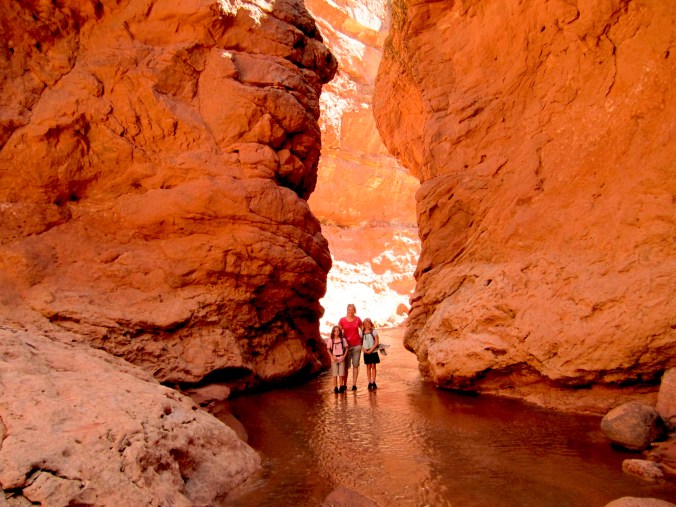
The Subway in Zion National Park

Here are some Pro tips for planning your trip to the Utah National Parks:

  • Get a National Parks Pass. The America the Beautiful pass will give you free admission to all 425 national park sites for one year.
  • Book your accommodations in advance, especially if you visit during the summer, busy season.
  • Bring plenty of water, chapstick, and sunscreen. The weather can be hot and dry in the desert. It will feel even warmer than you anticipate outside the summer season during midday.
  • Be prepared for the high altitude. Some of the national parks in Utah are located at high altitudes, so be sure to adjust your hiking plans accordingly. Bring more water and plan for the hikes to feel more difficult.
  • Be aware of the wildlife. There are a variety of animals in the national parks, including deer, elk, mountain lions, and bears. Be sure to keep your distance from wildlife and do not feed them.
  • Leave no trace. Pack out what you pack in, stay on trails to protect the fragile desert environment, don’t make the rocks or trees (it’s illegal and comes with hefty fines and possible jail time), and help to keep the parks clean.
Lower Pine Creek Falls in Zion National Park

Utah National Park 7 days/6 Nights Itinerary

Below is an itinerary for a first-time visit. If at all possible, I would suggest 2-3 days for each park. So if time and budget allow, I would advise focusing on a few parks and returning for another visit to see the others. This itinerary works for flying into either Las Vegas or SLC. You could even consider flying into Las Vegas and flying out of SLC ( or vice versa) if the budget allows you to minimize drive times. Interested in the best hikes for the Utah National Parks? Check out them out here.

Day 1 Arrive at either SLC or Las Vegas

Depending on arrival time, consider stretching the legs on a hike:

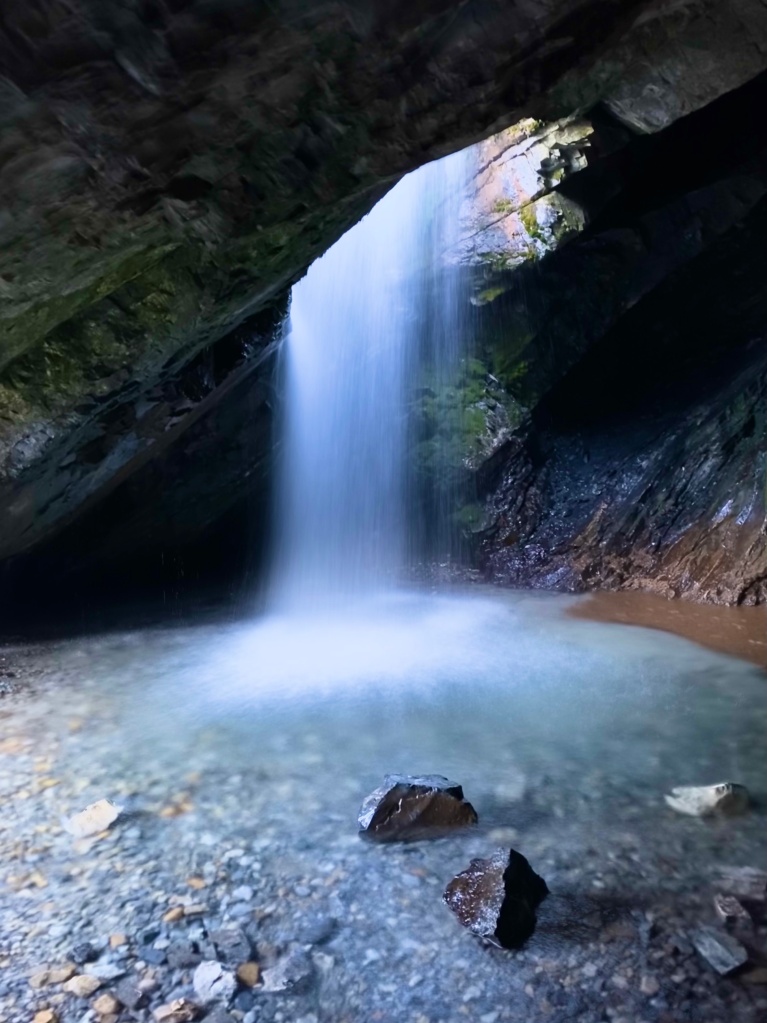
Donut Falls in Big Cottonwood Canyon

SLC: Donut Falls   This short family-friendly like gets its name from the waterfall pouring through a donut-shaped hole into a pool located in a small cave. After the hike, drive 4:45 minutes to Zion National Park.

OR

Las Vegas: Valley of Fire State Park ($15 fee for non-residents) 

Fire Wave Trail in Valley of Fire State Park

Hike:  Fire Wave/SevenWonders/White Domes Loop  This hike will highlight all the best this national park-worthy state park offers: Its iconic striped rock, Thunderstorm arch, and slot canyon.

Drive to Zion National Park (2:15 minutes). Spend the night outside the park.

Day 2 Zion National  Park
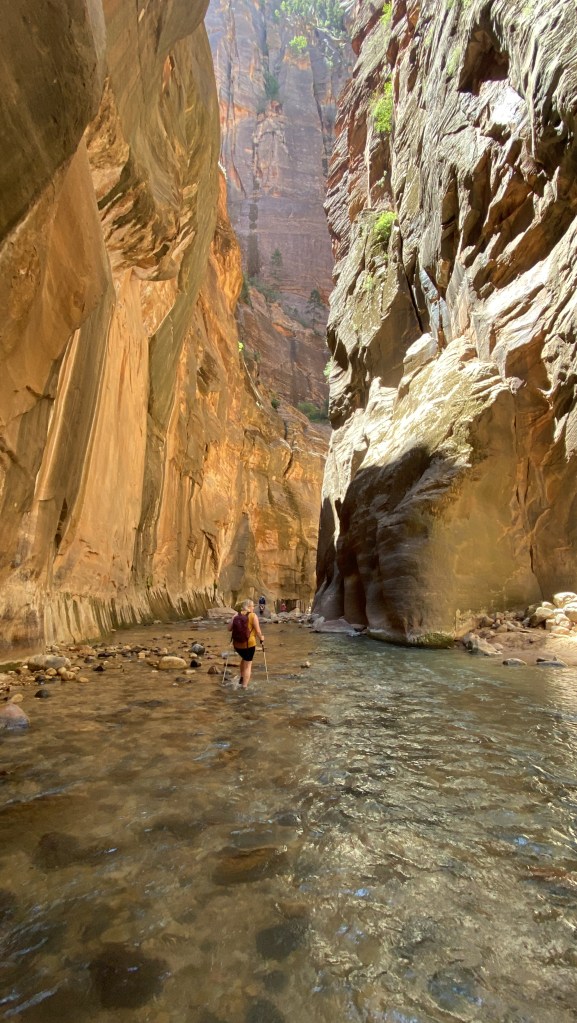
Zion Narrows

Zion National Park is home to many bucket list hikes from the Subway (permit required), Angel’s Landing, and the Zion Narrows. With three different regions of the park: Zion Canyon, Kolob Canyons, and Kolob Terrace, you can find any type of adventure you are looking for, including scenic drives, short walks, long day hikes and backpacking trips, and even canyoneering.

How to Get Around Zion National Park:

No personal vehicles are permitted down the Zion Canyon Scenic Drive from mid-May to after the Thanksgiving Holiday in November. All park visitors are required to ride the shuttle. No tickets or reservations are required to ride, but the Visitor’s Center Parking lot fills fast, so getting on the first shuttles of the day is advisable to avoid lines and having to pay for parking in the town of Springdale. Learn more about the Zion shuttle here. Personal Cars are permitted on State Highway 9, Kolob Terrace, and Kolob Canyon Roads.

View from the Top of Angel’s Landing in Zion National Park

Where to Stay in Zion National Park:

Inside the park, you can book the Watchman and South Campgrounds for the main Zion Canyon. You can also book at the Zion Canyon Lodge. Just outside the park, you can find all types of accommodations from hotels, Airbandbs, glamping, and RV sites in Springdale, Virgin, and further afield in St. Goerge and Hurricane, Utah. We’ve stayed in both the Desert Pearl and the Best Western and had good experiences. We also enjoyed camping at the Kolob Campground, which is nice and cool in the summer.

Where to Eat in Zion National Park:

The Zion Canyon Lodge has a dining room. Otherwise, you’ll need to pack a picnic or plan on eating in nearby Springdale. Springdale has many options to fit any budget and diet preference. Places I’ve enjoyed are the Spotted Dog Cafe, which serves farm-to-table food, Bit and Spur for Mexican and American fare and Zion Brewpub. The brewpub is right next to the visitor’s center and makes a convenient place to stop after a day on the trail. A little further afield in Virgin is Balcony One. Their Mediterranean-influenced American cuisine is worth the drive.

Best Hikes in Zion National Park:

Angel’s Landing and the Narrows are my top recommended hikes. You can find all you need to know for these adventures in this post. I recommend the Zion Canyon Overlook and Emerald Pools for more family-friendly options.

Cost: $30 per car for 7 days.

After your day in the park, drive 1:48 minutes and check into your Bryce Canyon accommodations

Day 3: Bryce Canyon National Park

Thor’s Hammer Bryce Canyon

Bryce Canyon National Park is world-renowned for its prolific number of fantastical hoodoos found in the Bryce Amphitheater. Experiencing the hoodoos from the canyon rim and below on the trail is an experience you won’t soon forget.

How to Get Around in Bryce Canyon:

Bryce Canyon has the option of taking a shuttle or your personal vehicle. If you choose to drive your car, arrive at the park early to avoid long entrance lines and easily secure parking as lots up quickly. Find more information about the shuttle here.

Tower Bridge Trail

Where to Stay in Bryce Canyon National Park:

Inside the park, you’ll find the Bryce Canyon Lodge as well as the North Campground: open year-round by reservations, and the Sunset Campground, which is open mid-April to the End of October. Sites are available on a first-come, first-served basis. Outside the park, there is Ruby’s Inn and a Best Western Hotel. There are also other accommodations in nearby Tropic.

Where to Eat near Bryce Canyon National Park:

You can enjoy the dining room in the Bryce Canyon Lodge. Immediately outside the park, you’ll find the Canyon Diner for quick eats and the Ruby’s Inn Cowboy Buffet and Steak Room. In Tropic, there is a great BBQ place, i.d.k. BBQ.
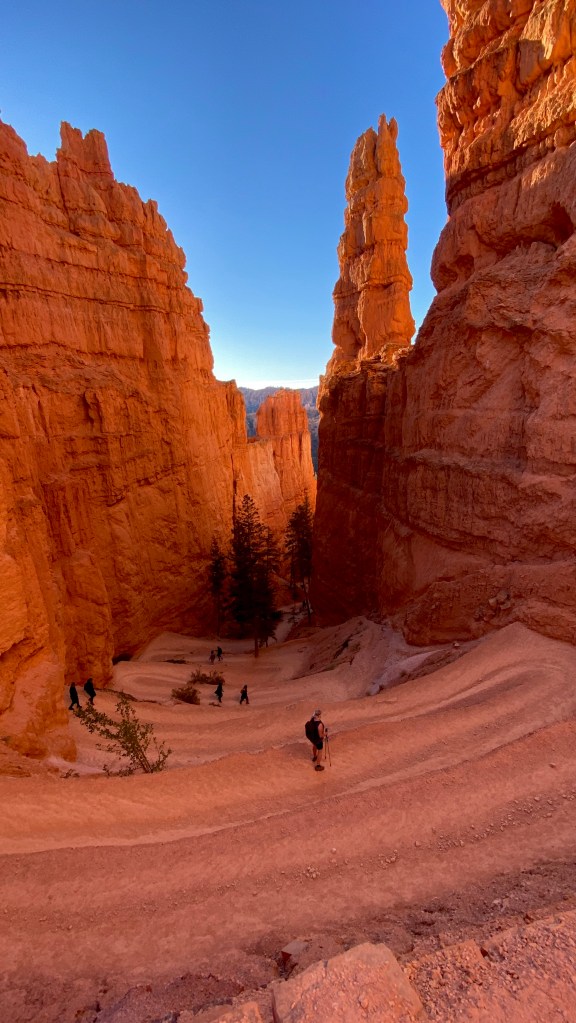
Navajo Loop Trail

Best Hikes in Bryce Canyon National Park:

The top hikes in the park are the Navajo Loop, Fairyland Loop, and the Mossy Cave Waterfall. Find detailed information on the route, including the best time to go here.

Cost: $35 per passenger car for 7 days.

Drive to and spend the Night Outside of Capitol Reef National Park

Day 4: Capitol Reef National Park
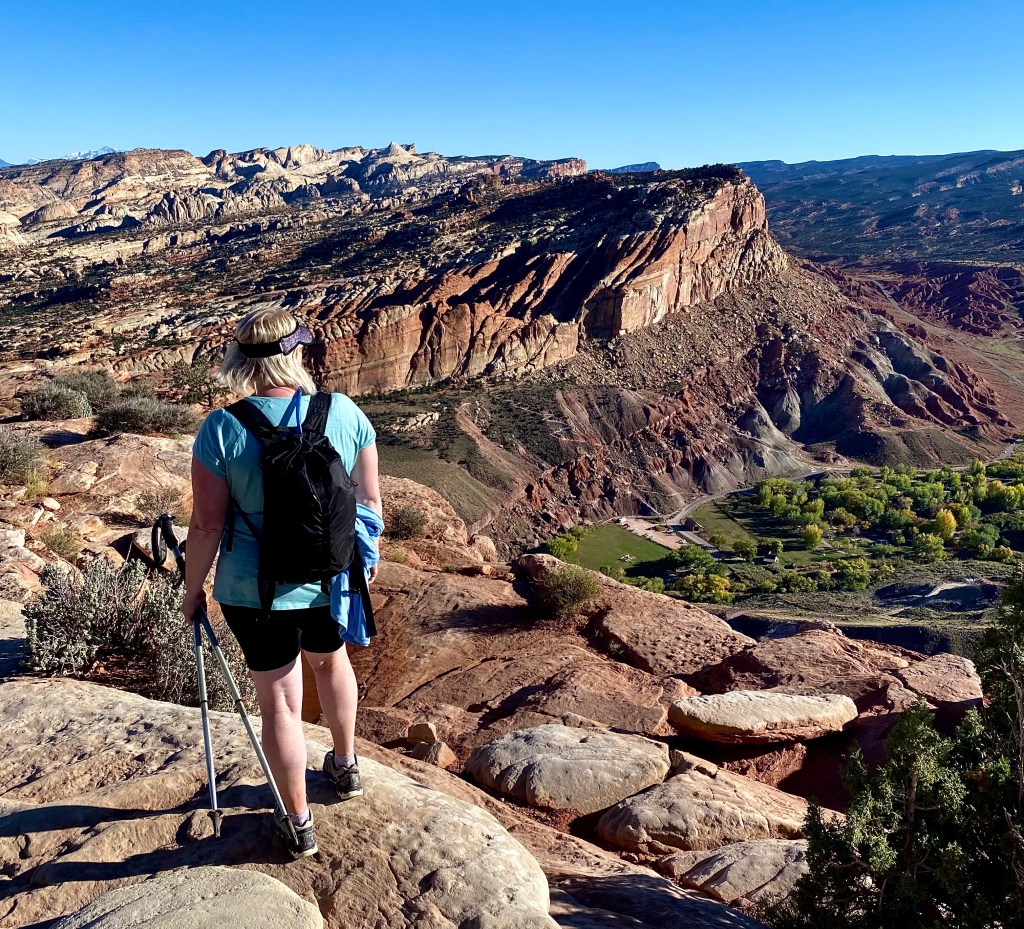
Rim Overlook -Capitol Reef National Park

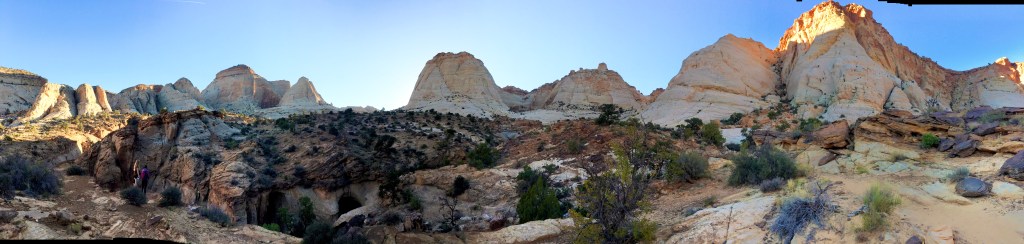
Capitol Reef is my favorite Utah National Park. It offers hoodoos, arches, and towering canyon walls. Slot canyons, waterfalls, towering monoliths, plus U-pick orchards with heirloom fruits and nuts. So many people drive through this park between Bryce and Arches and barely get out of the car, and they really miss out. The Park has three districts Fruita (main district), the Waterpocket fold district (think views and slot canyons), and Cathedral Valley or North district with its Towering Monoliths. Because I love this one so much, I outlined a 1-day itinerary that will give you a quick overview of some of what makes this park so special.

9:00 Arrive at Capitol Reef Visitors Center

9:30 Hike Hickman Bridge or Cohab Canyon

Hickman Bridge

11:00 Petroglyphs, Picnic, and Pie (oh my!) Stop to see the roadside Petroglyphs along the boardwalk and then head to the Gifford House to pick up your fresh fruit pie and enjoy a picnic lunch surrounded by the nearby orchards.

12:30 Take the Scenic Drive and Hike Cassidy Arch or Grand Wash
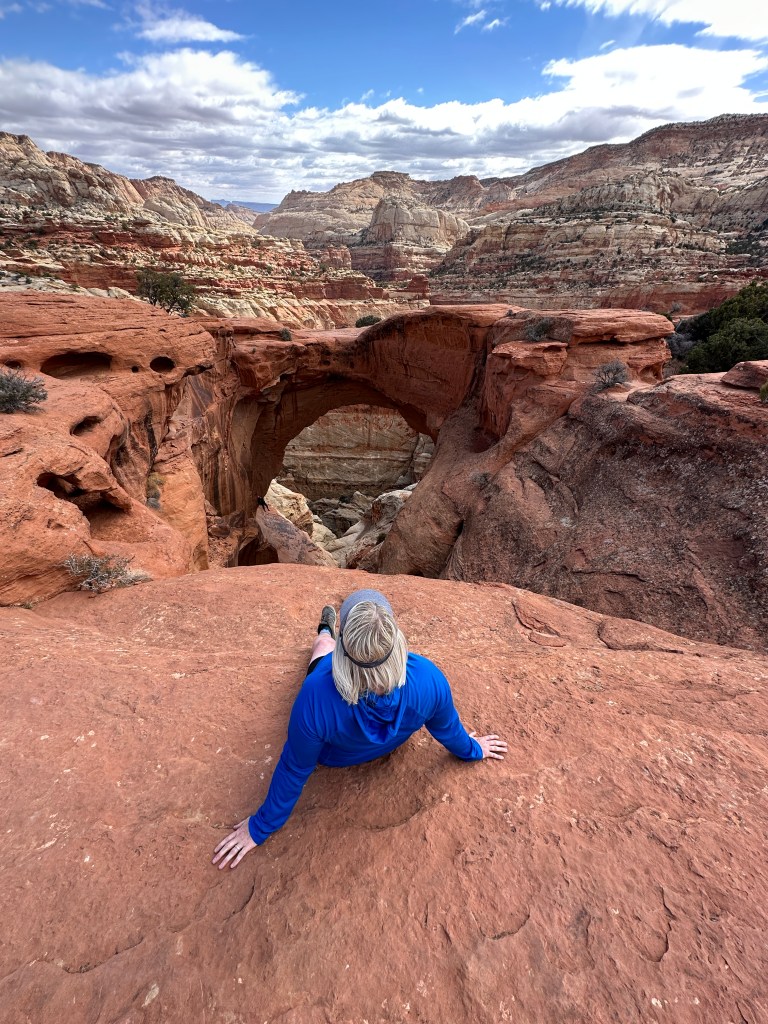
Cassidy Arch

3:30 Complete the Scenic Drive and stroll Capitol Gorge

If time permits, take in the Sunset at the Panoramic/Sunset point. It’s fantastic. Just keep in mind the restaurants in Torrey close on the early side.

Panoramic Point at sunset

7:00 Dinner in Torrey

Drive to Moab and check into accommodations of choice.

How to Get Around Capitol Reef National Park:

A passenger car will work for most roads and dirt roads in the park. If venturing into Cathedral Valley, plan on having a high-clearance vehicle. Many roads outside the Fruita district are remote, so always check in with the rangers for current conditions.

Temple of the Sun-Cathedral Valley

Where to Stay Near Capitol Reef National Park:

There is no lodging within the park boundaries. However, the park has 3 campgrounds: The Fruita Campground has 71 sites. You can reserve the sites from March 1st until October 31st. The rest of the year is first-come, first-served. The Cathedral Valley (requires 4WD )and Cedar Mesa ( in the WAterpocket fold district)campgrounds are primitive and available first come, first served.

Many bed and breakfasts, Airbnb/Vrbos, lodges, and budget motels are found in the area. I listed my favorites below:

Skyview has 14 rooms with art installations highlighting the park’s iconic features. Enjoy red cliff views from your private hot tub after a day on the trails.

The Lodge at Red River Ranch has luxury accommodations with 15 unique rooms decorated with antiques and art. We’ve been staying here for over 15 years. It’s one of the best lodges in the West. If you’re fortunate to book a room, make sure to say hello to Dave and Charlene from me.

Capitol Reef Resort has many lodging options – rooms, suites, and cabins or choose the “glamp” in a teepee or Conestoga wagon.

Airbnb: We stayed in three different Airbnbs in the area and were happy with all of them. Many different budget options are available.

Where to Eat Near Capitol Reef National Park:

There are no eateries inside Capitol Reef National Park. However, you can find choices just outside the park in Torrey.

Pioneer Kitchen Country Southwestern cuisine in a laid-back environment located at the Capitol Reef Resort. Great vegetarian options. Open year-round.

Capitol Burger is a Fast food truck with outdoor seating. All the food is fresh and handmade, with lots of gourmet burger options.

Rim Rock This restaurant serves Western fare with incredible views of Capitol Reef. They also have the Rim Rock Patio for more casual fare, like pizza. Both are open from March through October. Dinner only.

Hunt and Gather, our favorite in town, has a seasonal menu with locally sourced ingredients. Dinner only. Open March through mid-October.

Wild Rabbit Coffee and Cafe Breakfast and Sandwiches from 8-2 Thursday through Sunday. Don’t miss this gem for breakfast.

Chak Balam has excellent Mexican food in a dining room filled with handmade artisan masks from different regions of Mexico.

Cost: There is no cost to enter Capitol Reef. However, there is a $20 fee to drive the Scenic drive. You can use your national park pass in lieu of the fee.

Day 5: Arches National Park

With over 2,000 natural sandstone arches, Arches National Park has the largest concentration in the world. This park is accessible with many arches that can be seen right from the road or a short hike/walk. Like Bryce Canyon, the smaller size of the park makes it easy to pack a lot into a one-day visit.

How to Get Around Arches National Park:

While you can drive your own vehicle in Arches National Park, a timed entry permit is required during peak season (April 1st through October 31st.). Your permit can be obtained three months in advance here.

Delicate Arch

Where to Stay Near Arches National Park:

Devil’s Garden Campground is the only place to stay in the park. Sites are available first-come, first-served November through February and by reservation only March 1 through October 31st.

Moab has a myriad of accommodation options to fit any type of traveler. I recommend the Gonzo Inn with its condo-style rooms within walking distance of Main Street, and The Radcliffe is pet-friendly and has gear storage right in your room.

Pine Tree Arch on the Devil’s Garden Trail

Where to Eat Near Arches National Park:

There are no eateries inside the park, so unless you pack a picnic, you’ll need to eat in town. Out of all the towns outside the Utah National Parks, Moab is the most accommodating for those with special dietary needs and restrictions. Our favorite bites in town include Antica Forma for pizza, check out the Moab Food Truck Park for a wide variety of options, and the Desert Bistro for fine dining,

Navajo Arch on the Devil’s Garden Trail

Best Hikes in Arches National Park:

Top recommended hikes for Arches are the Iconic Delicate Arch and Devil’s Garden. If you’re looking for shorter hikes make sure to check out the Windows section of the park and Sand Dune Arch trails.

Cost: $30 per car for 7 days

Day 6: Canyonlands National Park

Druid Arch

Canyonlands National Park is Utah’s largest national park. Divided into four districts, including Island in the Sky, Needles, Maze, and Rivers. This post will cover Island in the Sky and the Needles Districts as they are the easiest to access without a high clearance 4WD vehicle.

The Island of the Sky District is closest to Moab and is known for its expansive and breathtaking overlooks, such as Grand View Point, White Rim, Green River, and Shafer.

The Needles District is named after the Cedar Mesa Sandstone Spires that are so prevalent in the district. The Needles district is located about an hour south of Moab and, as a result, is much quieter than both Island in the Sky and Arches.
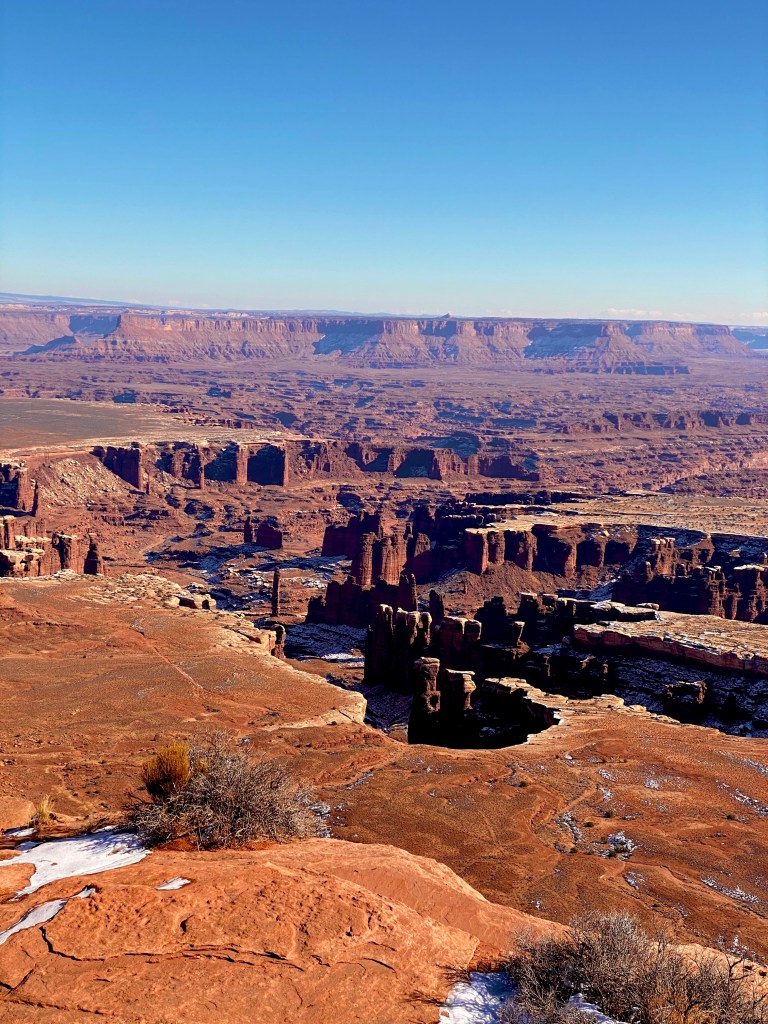
Grand View Point Overlook

How to Get Around Canyonlands National Park:

To access the areas covered in this post, all you need is a passenger car. There are no buses or shuttles that run through the park. For the sake of this itinerary, you will need to pick one district to visit. If you are a hiker, I definitely recommend the Needles District over Island in the Sky.

Where to Stay Near Canyonlands National Park:

Moab is your best bet for visiting Island in the Sky district unless you prefer to camp. Island in the Sky has one small campground. The 12 sites are first-come, first-served and fill quickly. When you visit the Needles district, you can choose to keep your base in Moab. Although Moab is an hour away, you’ll find more accommodations (and restaurants).

For the closest accommodations near the Needles, you can camp inside the park. You can reserve a site from spring through fall. The closest town to this district is Monticello. Recommended accommodations are Glamping Canyonlands, and Inn at the Canyons

Where to Eat Near Canyonlands National Park:

There are no eateries inside the park. You can find places in Moab like those recommended above or eat in Monticello. Your best choices in Monticello are Wagon Wheel Pizza, Gustavo’s Mexican, and the Granary Bar and Grill.

Best Hikes in Canyonlands National Park:

When visiting Islands in the Sky district, make sure you visit the iconic Mesa Arch and the White Rim Overlook. In the Needles District, don’t miss the Elephant and Big Spring Canon Loop and Elephant Hill and Chesler Park Loops for their slot-like sections, ladders, spires, and views.
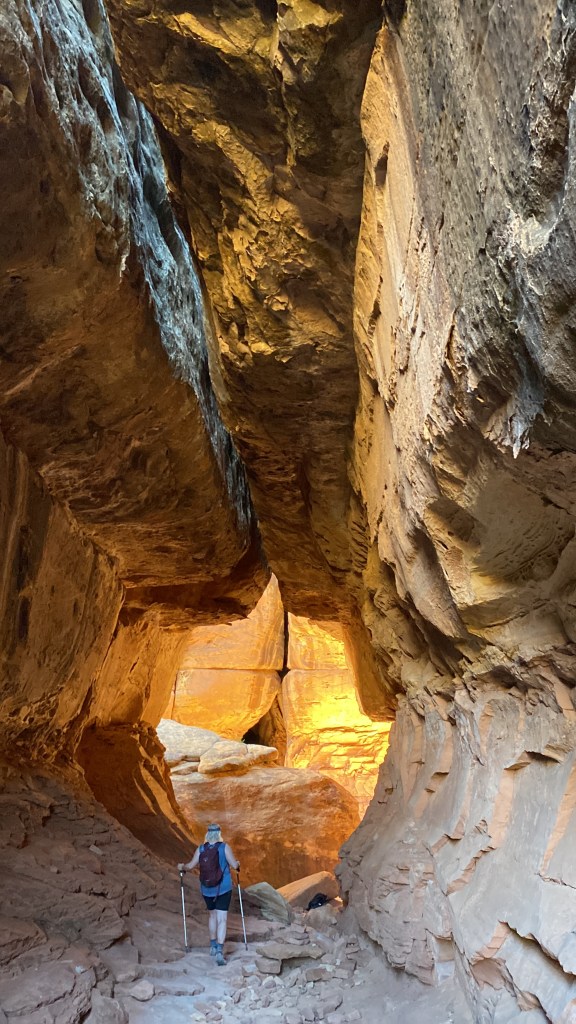
Entering the “cave” on the Chelser Park Loop Trail

Day 7: Return to Las Vegas or Salt Lake City

On your final day, drive to Salt Lake City (4 hours) or Las Vegas (6:30 hours). As schedule permits, before your flight, explore downtown Salt Lake City or the Strip in Las Vegas.

Other Posts you may like:
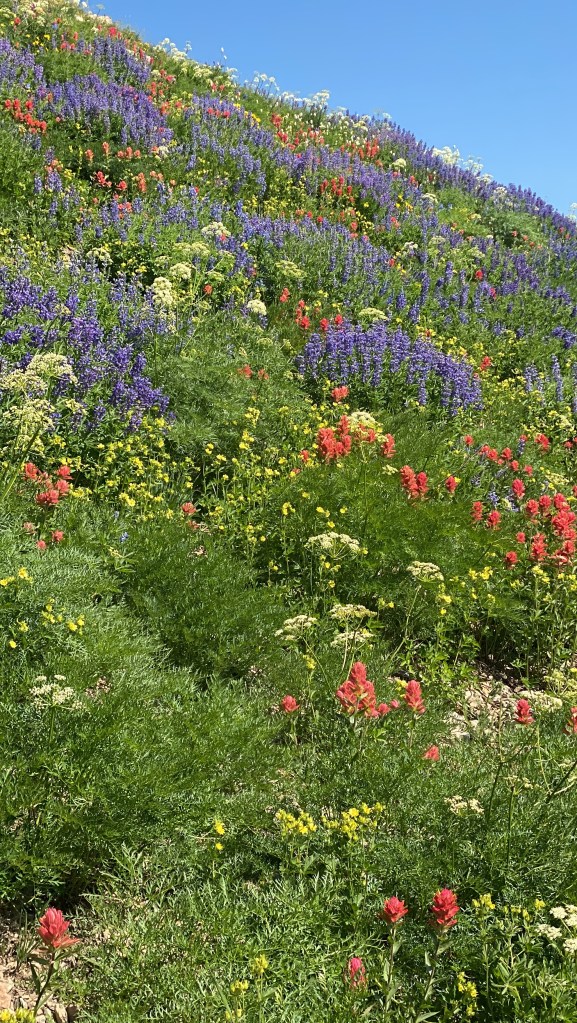
Best Fall Hikes and Drives

Ultimate Insider’s Guide to Capitol Reef National Park

The Ultimate Orcas Islands Adventure Itinerary

10 Best Summer Hikes Near Salt Lake City

The meadows in the Canyons above Salt Lake City burst with Wildflowers during July.

Nestled amidst the breathtaking landscapes of Utah, Salt Lake City is an outdoor enthusiast’s paradise. With its proximity to the towering peaks of the Wasatch Mountains, this vibrant city serves as a gateway to a myriad of incredible hiking trails. Whether you’re a seasoned hiker or a beginner looking to explore nature’s wonders, Salt Lake City has something for everyone. In this blog post, we’ll unveil the ten best hikes near Salt Lake City, where awe-inspiring vistas, serene alpine lakes, showy wildflowers, and pristine wilderness await.

******This post contains affiliate links. If you click on one of them, I may receive a small commission at no extra cost to you. Thank you!

High Elevation Peaks in Little Cottonwood Canyon

Prepare For Your Hike

Whether you’re a seasoned hiker or just starting to explore the trails for the first time, being prepared can help you hit the trails with confidence. 

You can prepare by researching your trail and local conditions using apps such as Duoveo and reading the comments about current trail conditions. 

But most importantly, you can prepare by carrying the 10 essentials in your pack. 

  1. A First Aid Kit
  2. Hydration (always bring more than you think you need)
  3. Food (bring all the snacks to keep your energy up on the trail)
  4. Safety: Flashlight or Headlamp, fire kit, and whistle
  5. Layers of clothes (to combat whatever weather conditions bring)
  6. Knife or multi-tool
  7. Navigation (map, GPS, compass)
  8. Sun Protection ( I always carry sunscreen, sunglasses, and a hat or visor)
  9. Emergency shelter (I’ve been hiking for over 20 years and just started carrying a bivy, essentially a space blanket shaped like a sleeping bag, a few years ago)
  10. Toilet paper and trowel or, better yet, Wag Bags.

Personally, I always bring my hiking poles with me as well. 

Hiker on the Albion Meadows trail en route to Cecret Lake.

Recreate Responsibly

There are seven Leave No Trace that you need to know before you hit the trails.   It’s more than just packing out your trash.  If you’d like to know more, go to Leavenotrace.org

1. Plan Ahead and Prepare

2. Travel and Camp on Durable Surfaces

3. Dispose of Waste Properly

4. Leave it as you found it.  

5. Minimize Campfire Impact.

6. Respect Wildlife. 

7. Be Considerate of Others.  

10 Best Hikes Near Salt Lake City, Utah

Bell Canyon Trail to Lower Falls

Lower Bell Canyon Waterfalls are a cool retreat on a hot summer day.

This trail has more than just the falls: after less than a mile of hiking with valley views, a beautiful tree-lined reservoir comes into view. After you pass the reservoir and go through a meadow, you cross the creek and enter the pine-filled craggy granite canyon. The final quarter-mile climbs steeply before you are rewarded with a cool respite under the falls opposite another beautiful view of the Oqquirh Mountains and the Salt Lake Valley.

Trailhead: Granite Trailhead

Distance: 5.1 miles roundtrip with 1,492 ft. elevation gain – Moderate
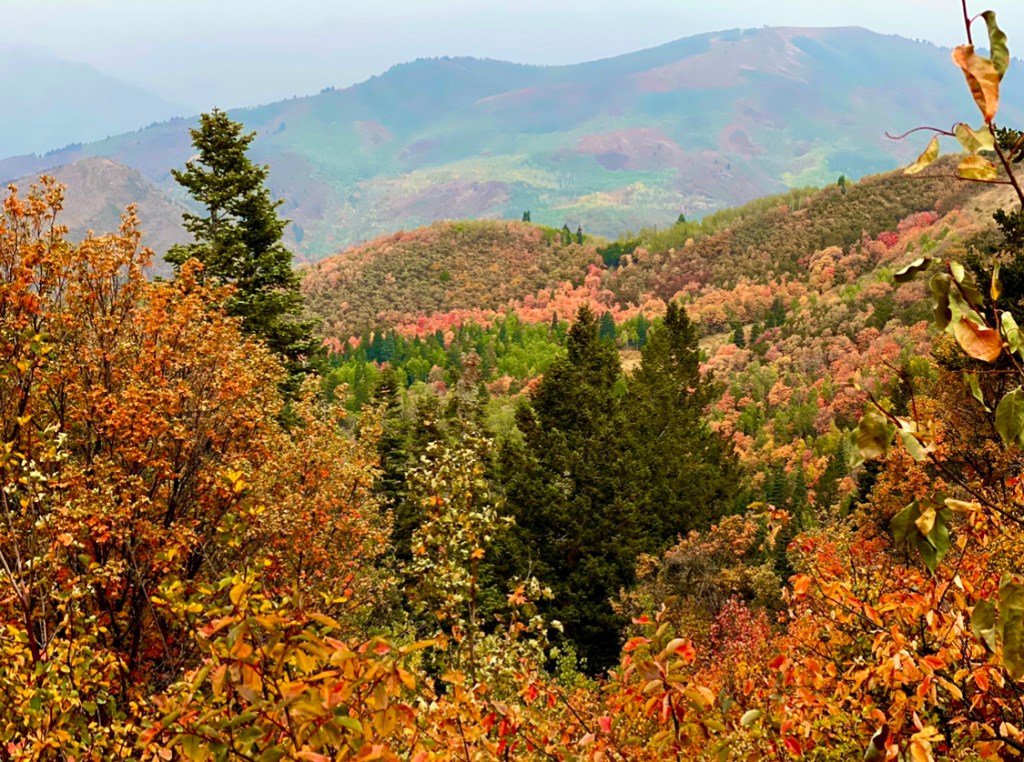
Other Trail Information: Bathrooms at the trailhead. No dogs because of the watershed.
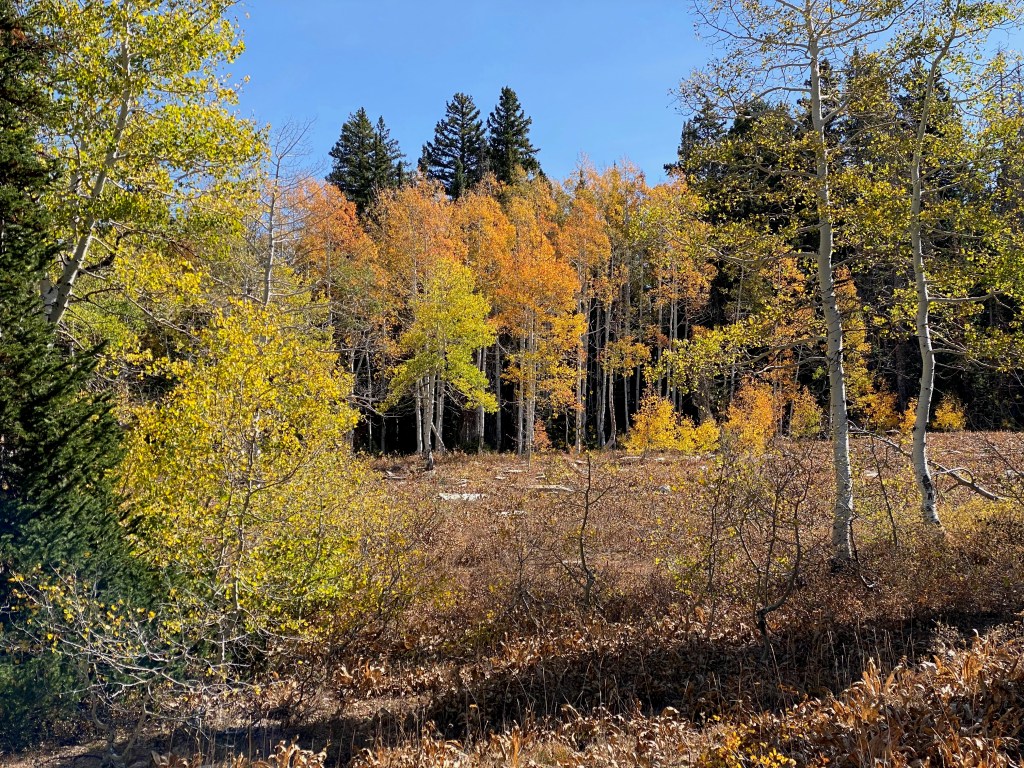
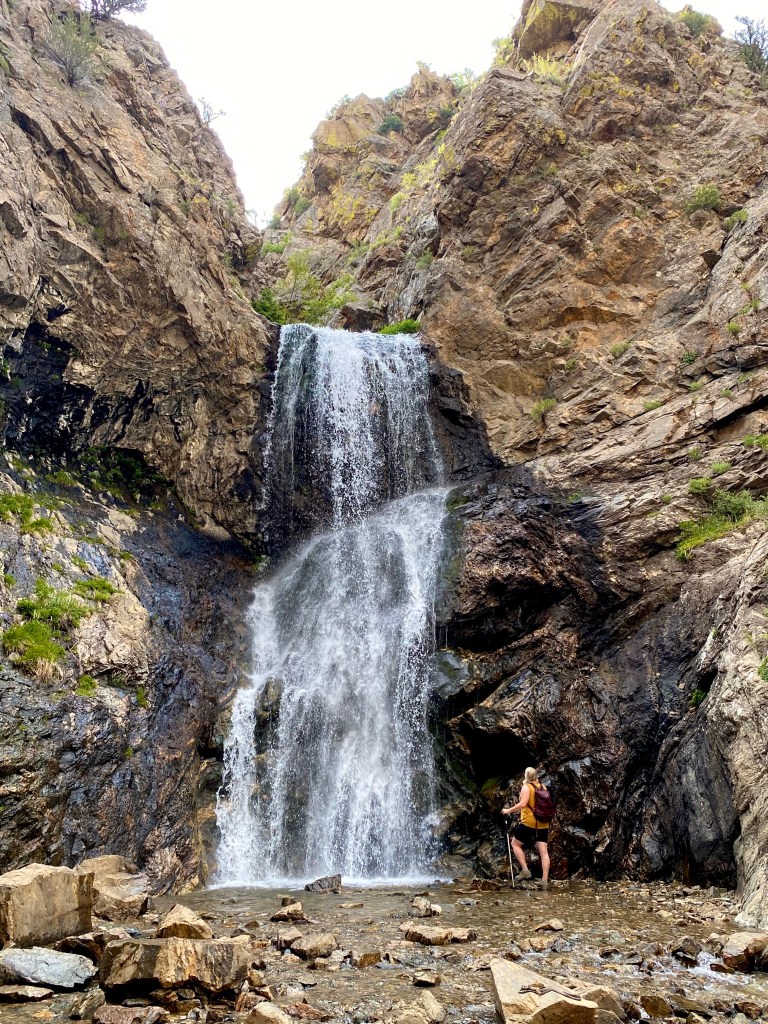
Battle Creek Falls

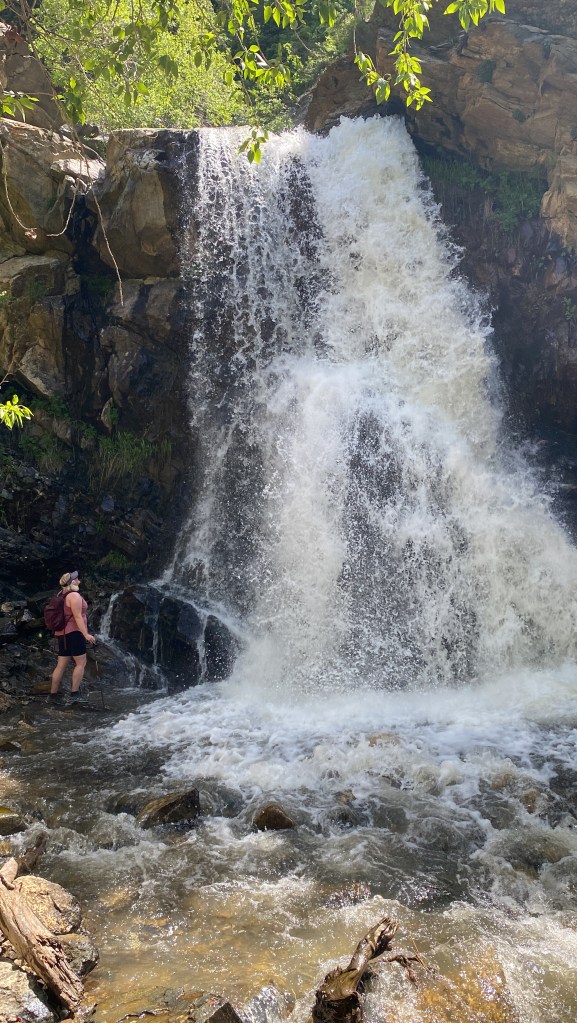
Bask in the mist of Battle Creek Falls. Watch your step on the slippery rocks.

For a shorter, family-friendly hike, head to Battle Creek Falls. Situated in Pleasant Grove, just outside Salt Lake City, this trail features a charming waterfall cascading into a rocky canyon. The hike is relatively easy, making it accessible for hikers of all ages and skill levels.

Trailhead: Dead End of Battle Creek Drive in Alpine, Utah.

Distance: 1.6 miles roundtrip with 606 ft. gain (for both the top and bottom of falls)

Other Trail Information: Bathrooms are available at the trailhead; dogs are permitted.

Cecret Lake

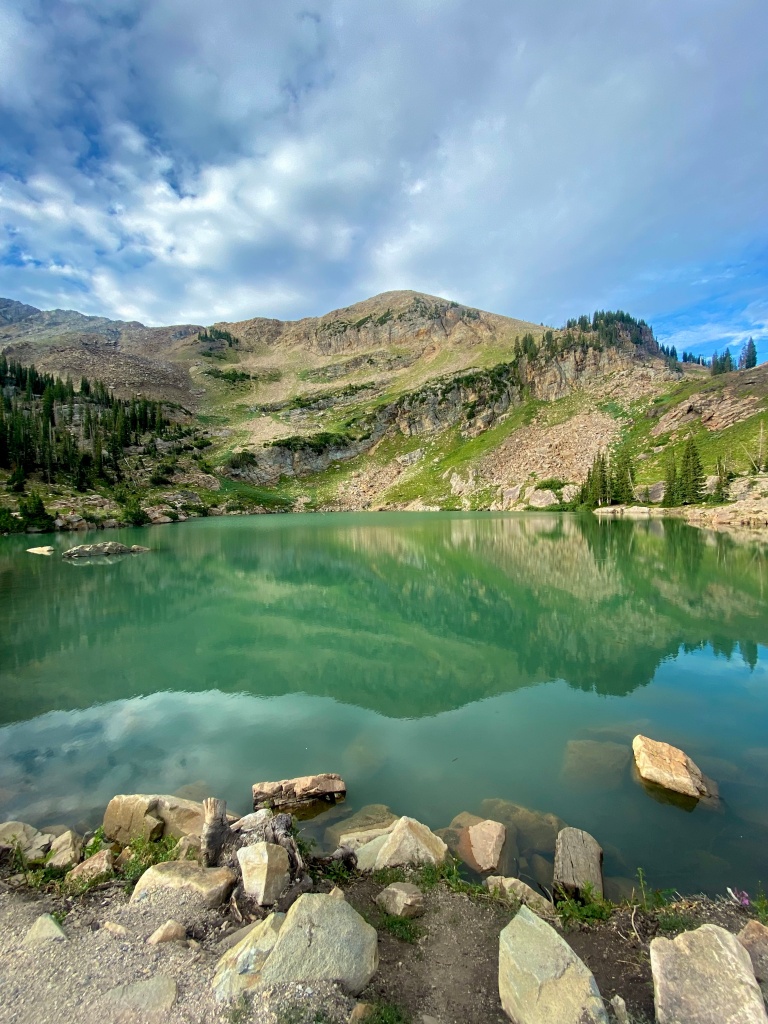
Keep your eyes out for the salamanders swimming in Cecret Lake.

Nestled near the top of breathtaking Little Cottonwood Canyon, Cecret Lake (yes, spelled with a “c”) is a family-friendly hike to a picturesque mountain lake. The trail is particularly enchanting during the summer months when vibrant wildflowers carpet the meadows. Take in the tranquil beauty of the lake, look for salamanders, but don’t touch them, and enjoy a picnic amidst nature’s splendor.

Trailhead: Cecret Lake Campground Trailhead at the top of Little Cottonwood Canyon.

Distance: 1.8 miles roundtrip with 465 ft. elevation gain

Other Trail Information: $10 amenity fee (goes towards road and trailhead maintenance)

Bathrooms at the trailhead. No dogs because of the watershed. Access to this trail typically opens in the beginning of July.

Lake Blanche

Sundial Peak reflections in the glassy waters of Lake Blanche.

This picturesque beauty is the quintessential Salt Lake City Hike. You ascend the steep trail to witness the towering Sundial Peak reflected in this stunning alpine lake. Make sure to save time to visit the nearby Lilian and Florence Lakes with their breathtaking vistas, and pristine waters. Unfortunately, swimming is NOT permitted due to watershed regulations.

Trailhead: Mill B trailhead is about 4.5 miles up Big Cottonwood Canyon.

Distance: 7 miles roundtrip with 2,811 ft. elevation gain

Other Trail Information: Bathrooms at the trailhead. No dogs or swimming due to watershed regulations. This is a very popular hike. Go early for the best reflections and solitude.

Brighton Lakes Loop

Taking in the views above Lake Mary on the Brighton Lakes Trail

This is one of my favorite hikes to do in summer for the wildflowers. Depending on which route you take you have the option to see up to 7 alpine lakes. The are many route options that move from family-friendly to larger miles with some mild scrambling over boulders fields. No matter the option you choose, you’ll finish with that mountain-high feeling of being immersed in a beautiful setting with magnificent views. Typically July is best for wildflowers. Make sure to keep your eyes peeled as this is a popular area for moose. I once saw seven on the same hike!

Trailhead: Base of Brighton Ski Resort at the top of Big Cottonwood Canyon.

Distance: 3 Options:

Lake Mary 2.6 miles roundtrip with 849 ft. elevation gain

Brighton Lakes Trail 4.4 miles with 1243 ft. elevation gain

Brighton Lakes Loop 7 miles with 1807 ft. elevation gain

Other Trail Information: There are no bathrooms at the trailhead but nearby at Silver Lake. Due to watershed regulations, dogs and swimming are prohibited. This is a very popular hike.

Grandeur Peak

Cloud inversion from Granduer Peak high above the Salt Lake Valley

Sitting in the heart of Mill Creek Canyon, Grandeur Peak makes for a perfect summit for beginners and sunset watchers (Just make sure to bring your headlamp!) It beckons hikers with its challenging yet rewarding climb. As you ascend, you’ll be treated to awe-inspiring views of the valley and the surrounding mountains. Reaching the summit offers a sense of accomplishment and panoramic vistas that make the effort worthwhile.

Trailhead: Top of Church Fork in Millcreek Canyon (East Trailhead)

Distance: 5.9 miles roundtrip with 2,365 ft. elevation gain

Other Trail Information: Bathrooms at the trailhead. Dogs permitted. $5 fee for Millcreek Canyon

Lackawaxen Lake

Reflections and Soltitude at Lackawaxen Lake

Nestled in a bowl below Clayton Peak, Lackawaxen Lake offers a pristine alpine retreat for hikers. This moderately challenging trail leads through beautiful forests, across meadows, adorned with wildflowers, and finally to the shimmering lake itself. Enjoy the peaceful ambiance and take a moment to soak in the serene beauty of the surroundings. This trail sees less traffic because most people stop at Bloods Lake, the first you encounter on this beautiful trail.

Trailhead: Bloods Lake Trailhead just past Guardsman Pass at the top of Big Cottonwood Canyon

Distance: 7.6 miles roundtrip with 1,696 ft. elevation gain

Other Trail Information: Bathrooms at the trailhead. Dogs on leash permitted, however they are not allowed in the lakes.

Mount Van Cott

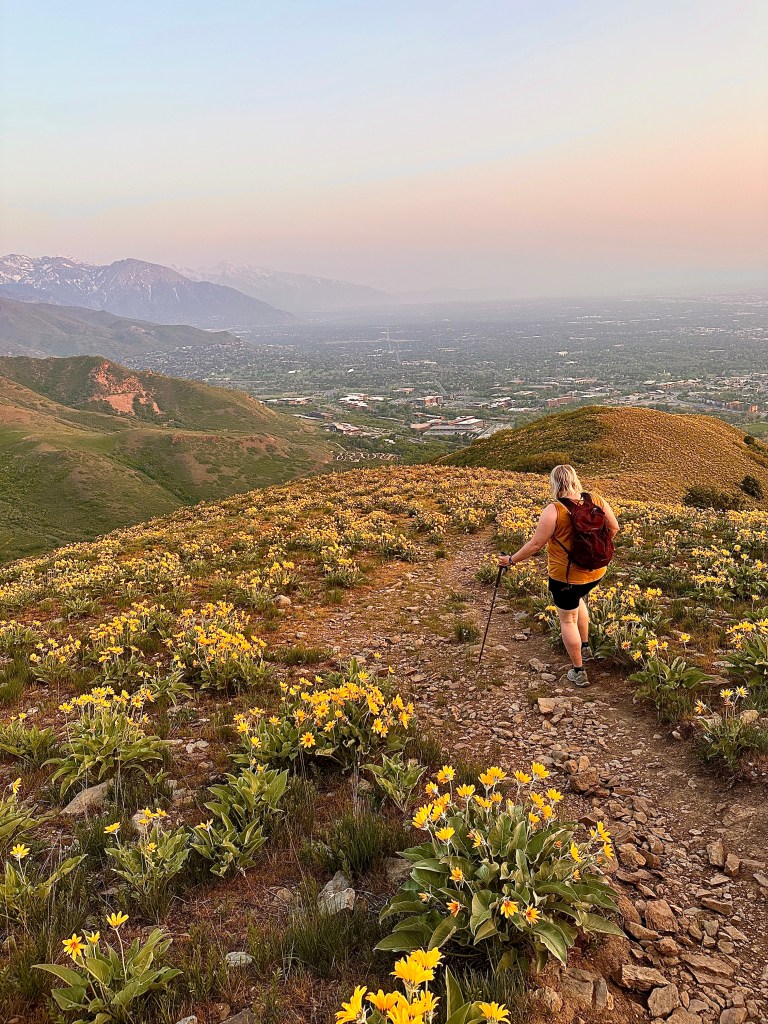
June super blooms, city, and Wasatch Range views from the Mount Van Cott Trail.

Conveniently located in Salt Lake City itself, Mt. Van Cott provides an excellent opportunity for a quick, challenging, and rewarding hike. The trail leads to the summit of this prominent peak, offering panoramic views of the cityscape and the surrounding mountains. It’s the perfect hike to fit into a busy schedule without compromising on the natural beauty. May and June are prime season for wildflowers.

Trailhead: Top of Red Butte Canyon Road (paid parking) or free at Popperton Park

Distance: 2.7 miles roundtrip with 1,227 ft. elevation gain my favorite open but from the paid lot.

4.8 miles roundtrip with 1,650 ft gain from Popperton Park

Other Trail Information: No bathrooms at the trailhead. (Port-a-potties at the park). Dogs on leash permitted,

Wasatch Crest Trail

July Wildflowers on the Wasatch Crest Trail in Big Cottonwood Canyon

Definitely one of my personal favorites, the Wasatch Crest trail keeps me coming back time and time again. This renowned and breathtaking high-elevation trail begins from the top of Guardsman Pass and is relatively easy for the length of the trail because of the net downhill. This iconic trail traverses the ridge line, offering awe-inspiring panoramic views of the Wasatch and Uinta Moutain ranges, the Great Salt Lake, and Antelope Island. Hikers and mountain bikers alike are treated to an unforgettable adventure in this alpine paradise.

Desolation Lake and the Wasatch Range from the Crest Trail

Trailhead: Bloods Lake Trailhead just past Guardsman Pass at the top of Big Cottonwood Canyon

Distance: Options (both require a shuttle vehicle)

10.8 miles with 1,312 ft. elevation gain (finish at Mill D North Trailhead)

13.7 miles with 1,801 ft. elevation gain (finish at the top of Millcreek Canyon)

Other Trail Information: There are bathrooms at the trailhead. Dogs are not permitted. This trail is popular with mountain bikers.

Upper Farmington Canyon

Hiking Upper Farmington Canyon is a whole adventure! It is also locally known as the Car Graveyard hike because of the 6+ car wrecks that can be found hidden in the trees along the trail. They toppled from the road high above. Some of the wrecks are probably from the early 1900s. Also on this trail is a small cave, two creek crossings with smaller cascades, and some epic views of the valley and Antelope Island! Make sure you follow the social paths after the creek crossing so you don’t miss any wrecks. All that in the 1 1/2 miles before you even reach the falls! You’ll hear the falls near the trail’s end before you see them. New in 2023 are switchbacks in the steep hillside to reach the falls. No more sketchy rope making this a truly family-friendly trail.

Trailhead: First hairpin turn on Farmington Canyon Road

Distance: 3 miles roundtrip with 948 ft. elevation gain

Other Trail Information: No bathrooms. Dogs Permitted

Looking for similar posts try

Utah’s Best Waterfall Hikes

Day Hiking in the Uinta Mountains

Best Utah Wildflower Hikes

Utah’s Best Waterfall Hikes

Upper Kanarra Fallss cascade
 over rock ledge
Upper Kanarra Falls

Did you know that Utah has more than 100 waterfalls? It may not be the first thing you think of in a place world-renowned for its rock formation-filled national parks, but there are myriads of great cascade-filled hikes just waiting for you to chase those falls. So scroll down to read about more than 16 of the best waterfall hikes in Utah. You don’t want to miss a single one.

What to wear on a Waterfall hike

Lower Calf Creek Falls

I just love the feeling of the cooling mist on my face after hiking to a waterfall. Still, while you may be warm or even hot while on your hike, the area around a waterfall may be significantly cooler because of the water and Utah’s low humidity. It’s a good idea to bring layers such as a lightweight, long-sleeved shirt or a waterproof jacket when hiking to Utah’s waterfalls.

No one likes to get a blister out on the trail, so waterproof hiking shoes can make or break your experience. If you are hiking trails like Kanarra Falls, when walking through is unavoidable, a good neoprene hiking sock with either a sandal in warmer weather or shoes in cooler weather will keep your feet from getting too cold. As always, when out on the trail, you always want to pack your ten essentials.

Kanarra Falls

The Best Waterfall Hikes in Utah

Now on to the good stuff! Please remember as you are exploring the outdoors to Leave No Trace so these places can remain pristine and enjoyable for you and everyone. Not familiar with the seven principles of Leave No Trace, you can learn more about Leave No Trace here.

Bell Canyon Lower Falls

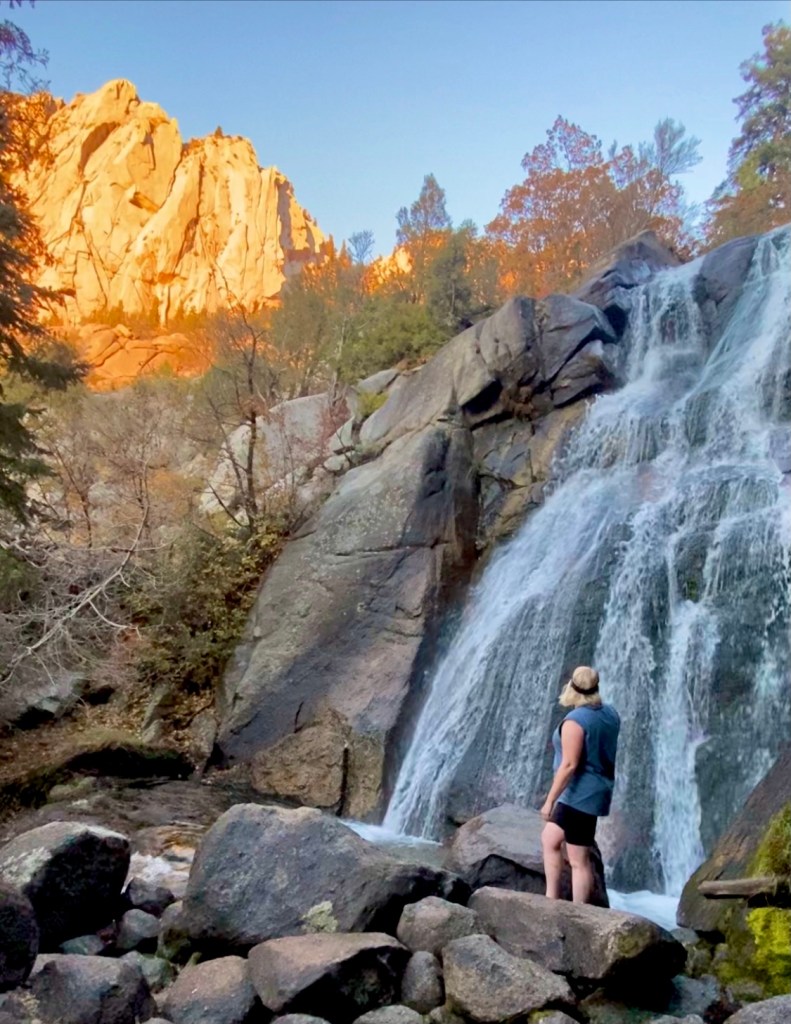
Craggy cliffs glow during golden hour above Lower Bell Canyon Falls.

This trail has more than just the falls: a beautiful tree-lined reservoir comes into view after less than a mile of hiking with valley views. After you pass the reservoir and go through a meadow, you cross the creek and enter the pine-filled craggy granite canyon. The final quarter-mile climbs steeply before you are rewarded with a cool respite under the falls opposite another beautiful view of the Oqquirh Mountains and the Salt Lake Valley.

Trailhead: Granite Trailhead

Distance: 5.1 miles roundtrip with 1,492 ft. elevation gain

Other Trail Information: Bathrooms at the trailhead. No dogs because of the watershed.

Best Seasons: Year-round, but spring has the largest flows.

Donut Falls

Donut Falls

This is arguably one of the most popular trails in the area for a good reason. This family-friendly gem pays off with a scenic river and beautiful cascades after a relatively easy hike. Caution and experience are advised if you choose to navigate up the slippery rocks to enter and view the falls coming through the “donut hole” hole in the small cave-like dome.

Trailhead: Mill D North off Hwy 190 in Big Cottonwood Canyon

Distance: 3 miles roundtrip with 498 ft. elevation gain

Other Trail Information: Bathrooms at the trailhead. Dogs are not permitted.

Upper Farmington Canyon Falls

Upper Farmington Canyon Falls in Spring.

Hiking Upper Farmington Canyon is a whole adventure! It is also locally known as the Car Graveyard hike because of the 6+ car wrecks that can be found hidden in the trees along the trail. They toppled from the road high above. Some of the wrecks are probably from the early 1900s. Also on this trail is a small cave and two creek crossings with smaller cascades! Make sure you follow the social paths after the creek crossing so you don’t miss any wrecks. All that in the 1 1/2 miles before you even reach the falls! You’ll hear the falls near the trail’s end before you see them. Going to the base of the falls requires negotiating a steep hillside with the aid of a rope. Proceed at your own risk. As of 2023, there are new, safer switchbacks down the hill to the falls.

Trailhead: First hairpin turn on Farmington Canyon Road

Distance: 3 miles roundtrip with 948 ft. elevation gain

Other Trail Information: No bathrooms. Dogs Permitted

Best Season: Year-round. Add 2 miles in winter because the gate is closed.

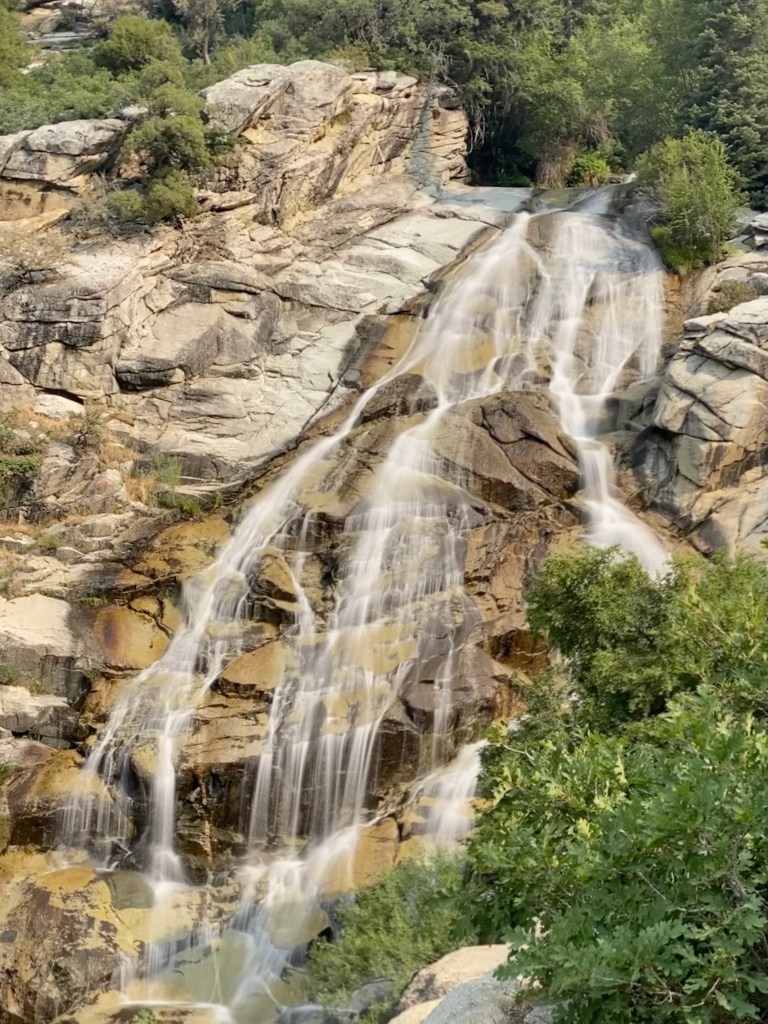
Lisa Falls

These unique falls cascade part way and then take a sharp turn on the Cliff.

Lisa falls is accessible to just about anyone. At a mere .3 miles for the road, you can bring a picnic and make an afternoon out of it. What makes these falls so fascinating is the sharp turn the water takes part way down and then how the water divides and cascades down the rock. One side of the fall gushes, while the other side just slides down the rock. It’s just mesmerizing to watch.

Trailhead: Opposite the Little Cottonwood Creek Trailhead up between mileposts 6 and 7 in Little Cottonwood Canyon. Park on the left side of the road.

Distance: .3 miles round trip with 121 ft elevation gain

Other Trail Information: No swimming or wading or dogs (watershed). No bathrooms at the trailhead.

Best Season: Best viewed in spring while runoff is flowing but open until Mid November. Never hike this in winter because of avalanche danger.

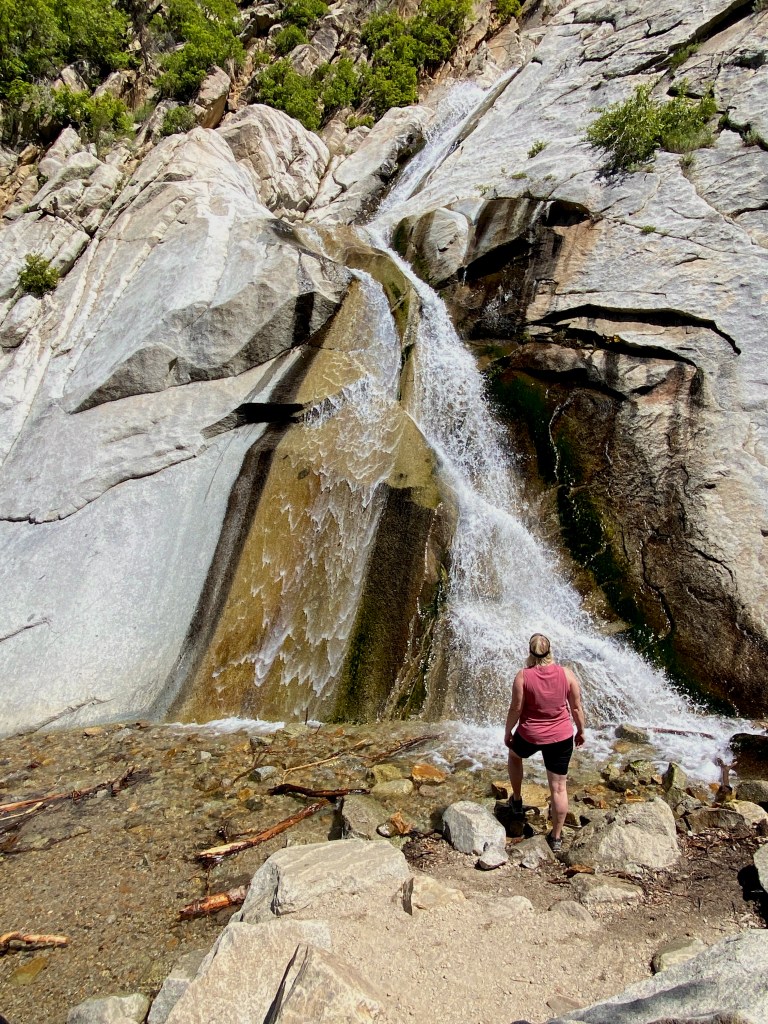
Gloria Falls

The many tiers of Gloria Falls really gush in spring.

Gloria Falls is a family-friendly hike also located in Little Cottonwood Canyon. Another local favorite, you won’t have the trail to yourself, but it’s a favorite for a good reason, and you don’t want to miss it. You’ll first descend a short walk down to the river and cross a bridge over the roaring Little Cottonwood Creek. Then you’ll climb for about a mile, where you’ll see signs right before the trail appears to dead end at the creek. Just past the sign for White Pine Lake, you’ll see a sign for Red Pine Lake. Follow that trail over the bridge and immediately take a left following the social trail to the falls.

Trailhead: Park in the White Pine Trailhead 5.3 miles up Little Cottonwood Canyon

Distance: 2.8 miles round trip with 584 ft. elevation gain

Other Trail Information: No swimming or wading or dogs (watershed). Bathrooms at the trailhead.

Best Season: Spring through Fall. The Falls become buried by snow in the winter.

Lower Calf Creek Falls

Would you take a dip in the swimming hole below Lower Calf Creek Falls?

Many consider Lower Calf Creek Falls the Jewel of Grand Staircase-Escalante National Monument. To reach this swimming hole oasis under the 126 ft falls, you hike 3 miles (one way) following the creek under the towering sandstone walls. There are interpretive signs along the route drawing your attention to the area’s flora, fauna, and history. Keep an eye out for the Pictographs! You know you’re getting close when the trail begins to surround you with greenery. The trail is sandy much of the way, so don’t forget to bring your swimsuit. You’ll want to enjoy a cool dip after this warm hike.

Trailhead: Park in the lot near the Calf Creek Campground off UT-12, 11 miles south of Boulder and 15 miles east of Escalante ($5 fee). Go early. The lot fills up quickly.

Distance: 6.7 miles with 866 ft elevation gain.

Other Trail Information: Dogs on leash permitted. Bathrooms at the trailhead.

Best Season: Year-round. But it can be cold in winter.

Upper Calf Creek Falls

The green oasis at Upper Calf Creek Falls.

If solitude is more your jam and you’re an experienced hiker, you might prefer Upper Calf Creek Falls. Although the hike is shorter, the trail descends quickly down for a mile before reaching the falls. Follow the cairns. After enjoying the 86 ft tall falls (watch out for poison ivy), ascend the side trail up to the smaller cascade and deeper pools above the main falls.

Trailhead: Head north from pull off the side road on your left just after milepost 81. Follow the road to the parking area.

Distance: 2.1 miles with 695 ft elevation gain.

Other Trail Information: Dogs on leash permitted.

Best Season: Year-round. But it can be cold and icy in winter.

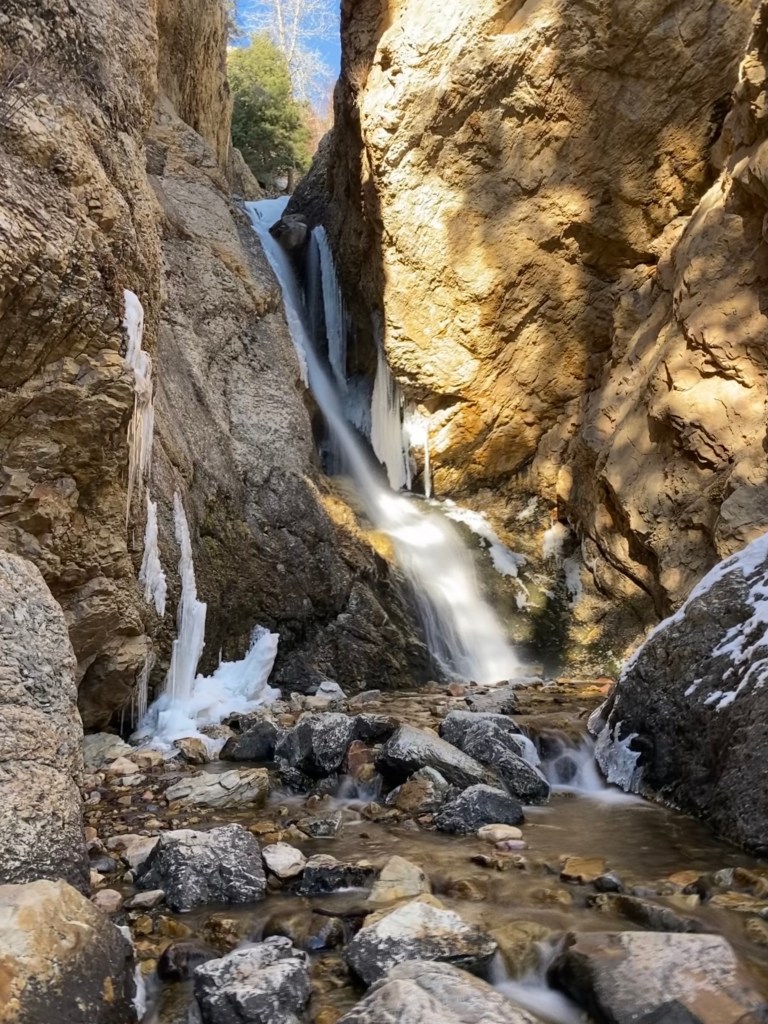
Hidden Falls

Hidden Falls in Winter.

This trail is accessible to most because of the distance. This hidden grotto really is a treat, so don’t miss it.

Trailhead: Mill B (right by the Lake Blanche Trailhead)

Distance: .3 miles roundtrip with 49 ft elevation gain (I highly recommend continuing another mile to the overlook of Big Cottonwood Canyon and the Salt Lake Valley below.)

Other Trail Information: Bathrooms at Lake Blanche Trailhead nearby. No Dogs.

Best Seasons: Year-round.

Adam’s Canyon Waterfall

Enjoying the cooling mist of Adam’s Canyon Falls.

Located in Kaysville, just off Highway 89, you start this hike in full sun before you enter the canyon and follow the stream all the way to the falls. Despite climbing steeply at times, this trail is a local favorite. If you prefer solitude on the trail, make sure to hike this one early. These 40-foot falls are reliably beautiful year-round. If you want to know more about hiking this one in the winter, check out my post about the 8 Best Frozen Waterfalls in Northern Utah post. This is a great one for those who like to hike with their dogs.

Trailhead: Adams Canyon Trailhead (Looks like a big park and ride lot)

Distance: 4.2 miles roundtrip with 1,358 ft. elevation gain.

Other Trail Information: No bathrooms at the trailhead. Dogs permitted.

Best Seasons: Year-round.

Little Deer Creek Falls

Climbing up the side of Little Deer Creek Falls.

Located adjacent to Cataract Gorge, Little Deer Creek Falls stands over 100 feet tall! The Cataract Gorge is full of swimming holes (bring your swimsuit) that make for a perfect summer retreat in the high Uintas mountains. This really is one of the most beautiful places in the Uintas. While not unknown, it is much quieter than many other places off Highway 150. If you have high clearance 4×4, you can drive right up to this area. Otherwise, it requires a 7-mile roundtrip hike adjacent to the Jeep road. It is well worth the effort for this gorgeous spot. Bonus: If you love camping, there are many great dispersed camping spots in this area. To access the falls, take FR 137 and then FR 027 until you arrive. You can’t miss it.

Trailhead: Park at the Junction of FR137 and FR 027 (there are pullouts)

Distance: 7.5 miles RT with 1,200 ft elevation gain (you climb up on the way out)

Other Trail Information: $6 or free with your America the Beautiful parks pass. Dogs Permitted. There are no Bathrooms at the trailhead but some at the turn-off to FR137.

Best Season: Starting July through September. Before that, the water is too high, and it’s dangerous.

Archangel Falls

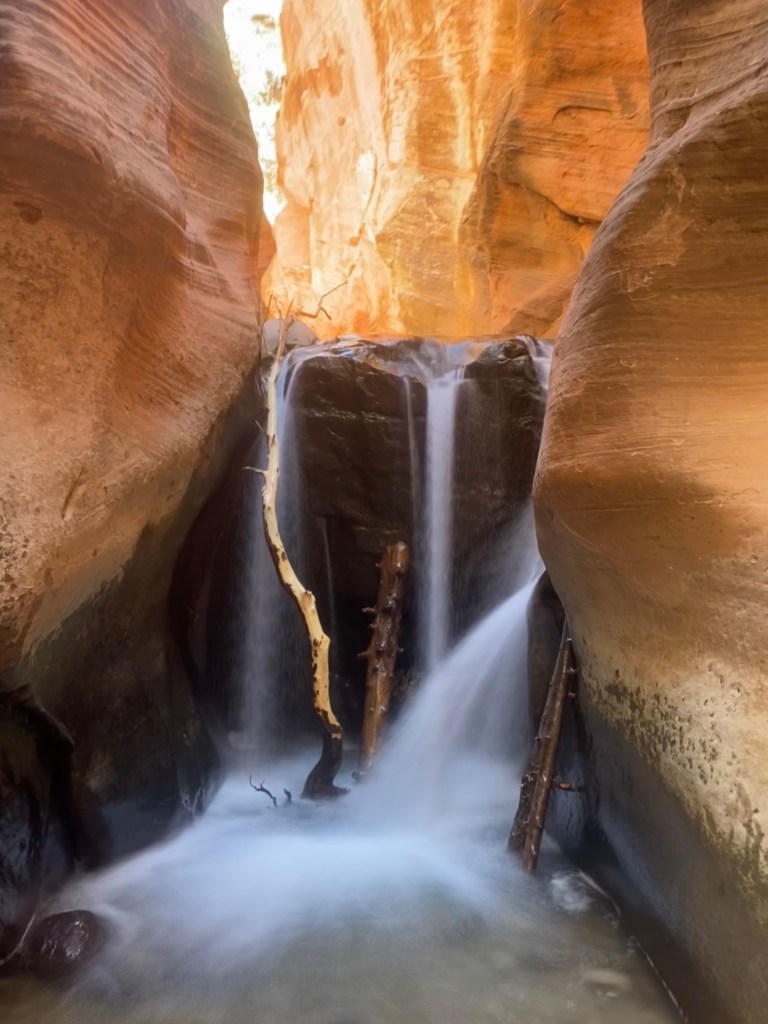
Archangel Falls

The cascading crimson steps of North Creek are located below the legendary Subway in Zion National Park. Consider yourself one of the lucky ones if you’re able to secure a permit to hike this gorgeous canyon under the 500-foot tall walls. Read more about the Subway Hike here.

Trailhead: You’ll obtain directions to the trailhead from the permit office.

Distance: 9.1 miles with 1,305 ft. elevation gain for the entire Subway trail. This is a Hard hike.

Other Trail Information: $5 per person permit fee. No dogs. Bathrooms at the trailhead.

Best Season: Spring and Fall. You will get wet, so plan accordingly for the conditions.

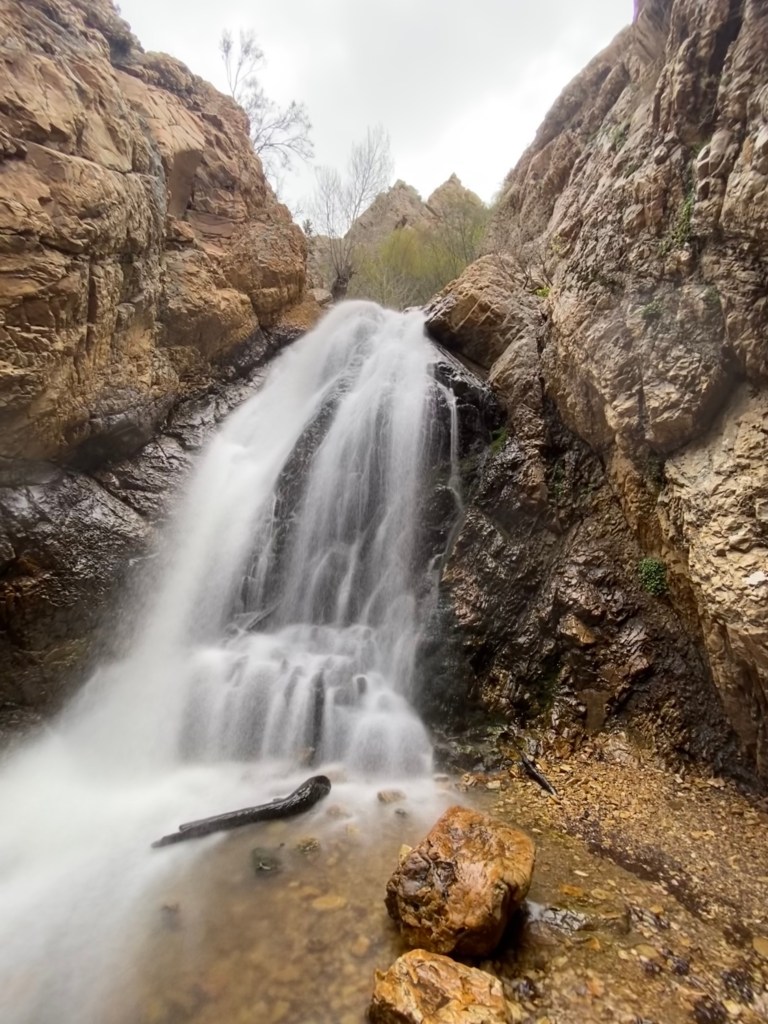
Heugh’s Canyon Falls

Heugh’s Canyon Waterfall sits in a Grotto hidden from the main trail.

If you live in the Salt Lake City area, this makes an excellent after-work hike. At only 3 miles, you’ll still find this trail to be a fun adventure as you hike through trees (wildflowers in the spring!), over a few bridges, and then scramble across a boulder field to reach the falls.

Trailhead: Park just off Wasatch Boulevard at the signed parking (you’ll need to walk through the neighborhood for a short bit to access the actual trailhead.)

Distance: 3.1 miles RT with 1,236 ft elevation gain.

Other Trail Information: Dogs Permitted. No Bathrooms at the trailhead.

Best Season: Year-round. Spring is best for wildflowers and big flows. Bring spikes in winter.

Moss Ledge Waterfall

The upper two tiers of Moss Ledge Falls.

More of a scramble than a hike, you’ll be negotiating around loose rocks and boulders for much of the “trail.” Despite the short distance from the road, these falls have three separate tiers and feel very remote. You are more likely to find solitude on this hike compared to others in the canyon.

Trailhead: Pullout by mile marker 7 in Big Cottonwood Canyon

Distance: .8 miles RT with 559 ft elevation gain.

Other Trail Information: Dogs Permitted. No Bathrooms at the trailhead.

Best Season: Summer and Fall. Do not hike in winter because of avalanche danger or in spring because high water flows make the trail dangerous.

Horsetail Falls

Horsetail Falls in late summer.

The trail to Horsetail Falls is consistently steep but manageable the whole way. You’ll have a few stream crossings along with forest, mountain, and valley views. Just like the falls in upper Farmington Canyon, you’ll have a rope to finish the final descent on the trails to the falls, but this one is a lot less sketchy, in my opinion.

Trailhead: Dry Canyon Trailhead in Alpine, Utah

Distance: 4.4 miles RT with 1,695 ft elevation gain.

Other Trail Information: Dogs Permitted. No Bathrooms at the trailhead.

Best Season: Year-round. Best Flows in Spring.

Battle Creek Falls

Lacy Battle Creek Falls

This moderate but short trail is popular with both families. You’ll know you’re almost there after the wide path crosses the footbridge. After you enjoy the falls from the base, make sure you take the trail to the top of the falls for the incredible view of the valley and Utah lake below.

Trailhead: Dead End of Battle Creek Drive in Alpine, Utah.

Distance: 1.6 miles roundtrip with 606 ft. gain (for both top and bottom of falls)

Other Trail Information: Bathrooms are available in the nearby park; dogs are permitted.

Best Season: Year-round. Early spring is best for wildflowers and big flows. Bring spikes in winter.

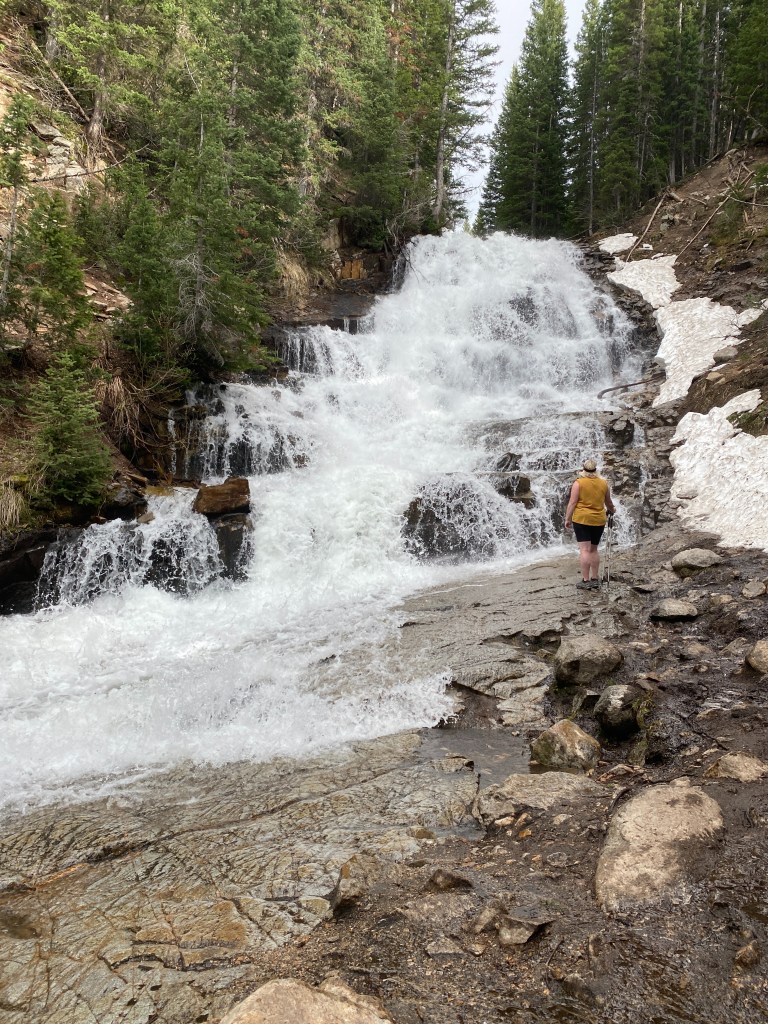
Hiker near the base of the upper tier of Stewart Falls.

Another crowd-pleaser of a hike, this trail rolls through aspen groves and pines with views of majestic Mount Timpanogos and the Sundance Ski Resort before you round the bend to view the 200-foot, two-tiered cascade. After you enjoy the overlook, proceed down the switchbacks for an up-close view of these spectacular falls.

Trailhead: Aspen Grove Trailhead or Ride the lift at Sundance Ski resort and take their trail.

Distance: 3.4 miles roundtrip with 930 ft. elevation gain

Other Trail Information: $6 forest service fee (or free with your national parks pass),

Bathrooms at the trailhead. Dogs permitted.

Which hike is your favorite? I’d love to hear about it in the comments.

Looking for more hike ideas in Northern Utah? Check out Day Hikes in the Uintas Mountains

Best Fall Hikes and Drives in Utah

Lake Mary Big Cottonwood Canyon

It’s fall, and we all want to get out to enjoy the vibrant colors of the season. No matter which area of the Utah you are in, you can find beautiful autumn colors to enjoy. Whether you prefer the comfort of your car or an afternoon out on the trail, this is the post for you!

If you live along the Wasatch Front, you can’t go wrong visiting any canyons that bisect the mountain range. Check out this interactive Fall Foliage Predictor Map to ensure the best color. This post will list all areas starting at the north end of the state and then move progressively south.

Utah’s Best Fall Hikes and Drives

Logan Canyon (US-89)

Canyon aspens

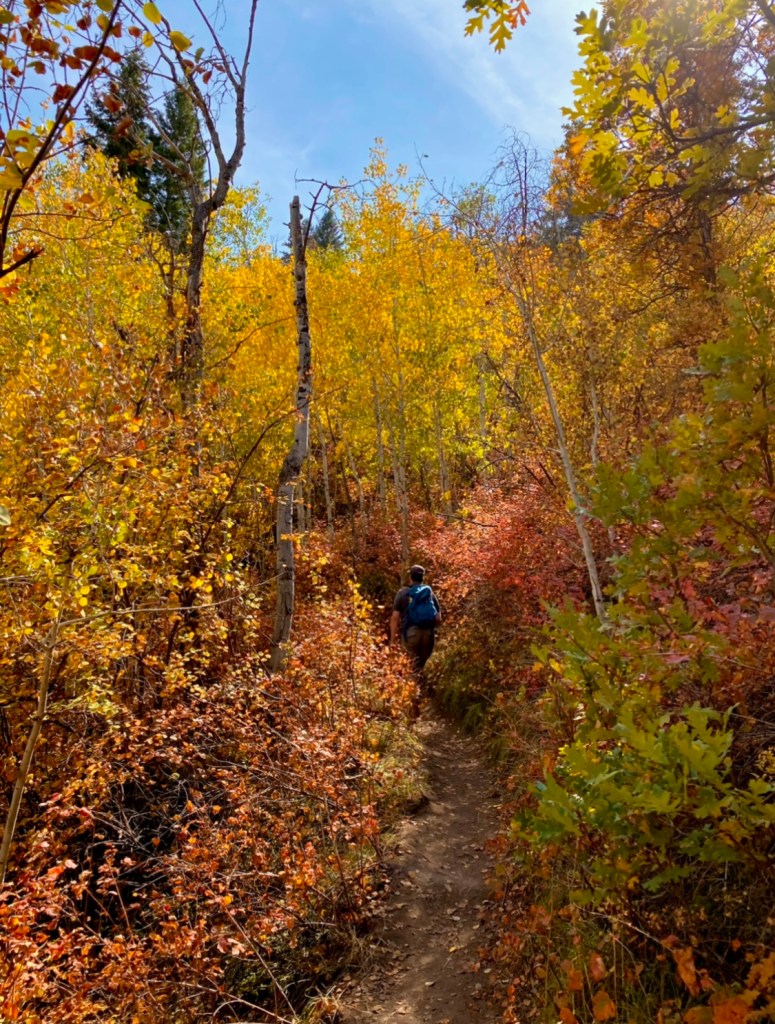
Drive the 41 miles from Logan to Bear Lake to enjoy orange and red Maples and bright yellows of Aspen clinging to the near vertical limestone cliffs. You can enjoy a picnic amid falling leaves at one of five picnic sites, Dewitt being one of my favorites. You can also stroll or bike on the river trail for a more leisurely pace. If hiking is more your speed, there are dozens to choose from. The most popular are Wind Caves (4 miles RT) and Crimson Trail (4.7 miles loop), with views of the canyon that will take your breath away if the climb hasn’t already. Tony Grove has picnic sites nestled next to a lake ($ 10-day use fee) with a short one-mile hike that circumnavigates the water.

Monte Cristo Highway (Highway 39)

Definitely one of the lesser-known scenic highways. A drive through this 67-mile stretch, you see the brilliant colors of Aspens, Oaks, and Maple. You’ll pass by Pineview Reservoir, nestled under the peaks of Powder Mountain and Snowbasin ski resorts, then continue the trek following the South Fork of the Ogden River. If you travel the road from mid to late September, take the short side trip to Causey Reservoir, probably the most scenic reservoir in the state. Hike the Skull Crack to see the Kanokee salmon run.

Gambel Oak and Aspens on the Skull Crack Trail

Big Cottonwood Canyon over Guardsman Pass to Midway (Highway 190)

Views from the ridge over Big Cottonwood Canyon

Ever since Guardsman Pass was paved in the fall of 2018, this drive has become an increasingly popular trek to experience fall colors. The drive up the canyon is bursting with color. As you crest the pass, you are treated to views reaching as far as the Uinta mountain range and Wyoming on a clear day. The spectacular drive doesn’t end there because you can continue your drive down towards Midway and Wasatch Mountain State Park.

Best Fall Color Hikes in Big Cottonwood Canyon

Big Cottonwood Canyon is a mecca for hiking with its many trailheads. Some of the most popular trails are great choices for leaf peeping, but you really can’t go wrong with any of them. The Silver Lake trail (1-mile loop) is accessible for all abilities and has picnic sites and bathrooms. Other popular trails include Lake Blanche ( 7 miles RT – hard), Donut Falls (1.5 miles RT – easy), and Willow Lake (2.8-mile loop – moderate).

Views from Wasatch Crest Trail Big Cottonwood Canyon

Pro tip: No dogs are allowed (even in your cars) in either Big or Little Cottonwood Canyon because of the watershed. Nearby Millcreek canyon is a great choice to bring along your pup.

Alpine Loop and Cascade Springs (State Road 92)

Sundance in Fall

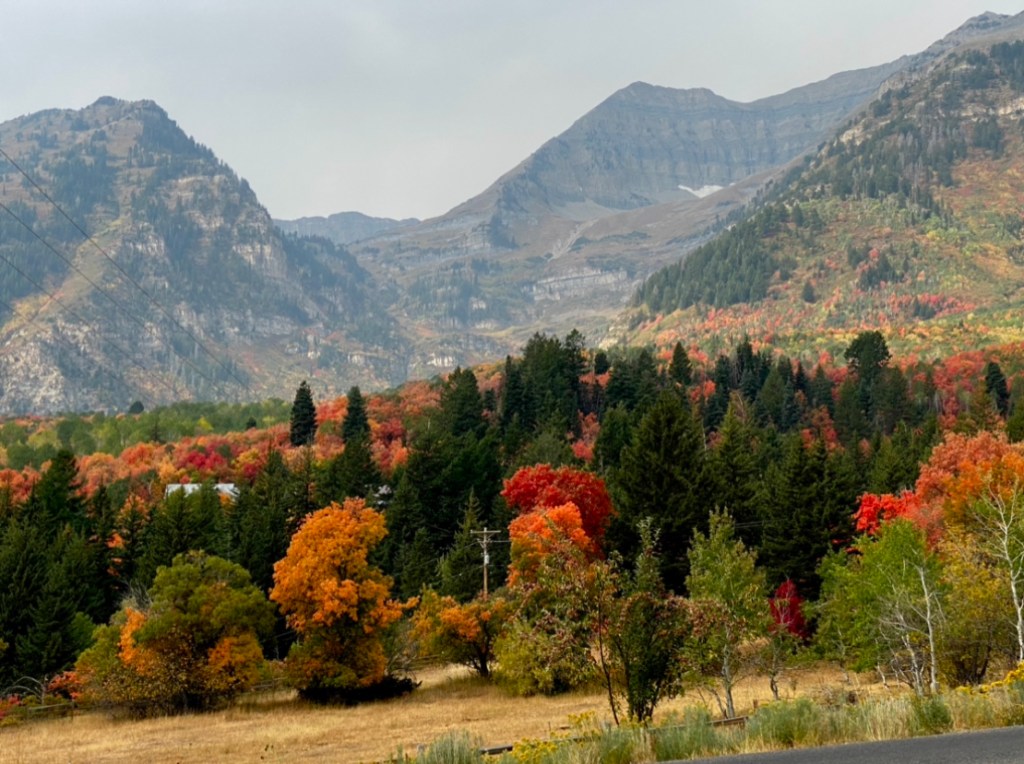
This glacial carved canyon covering 27 miles from American Fork Canyon to Provo Canyon offers vibrant fall colors contrasting with evergreen trees nestled below the iconic Timpanogos Mountain. This is arguably the most popular scenic drive in Utah for fall colors and is definitely worth the hype. If you plan on driving through, there is no fee, but if you plan to stop to picnic or hike, there is a $6 fee or free with the America the Beautiful Pass. Also, the road is very narrow with some tight turns, so vehicles over 30 feet are not recommended.

Alpine Loop during Fall Storm

Some great stops along the way are Timpanogos Cave National Monument (reservations recommended), Cascade springs (7.5-mile detour) rated for all abilities, Sundance Ski Resort for lift rides and other activities, and Bridal Veil Falls, which has an all-accessible paved path (in Provo Canyon). The Alpine loop is a popular hiking destination with many trails. I recommend Stewart Falls (3.4 miles RT – moderate) and Primrose Overlook (3.6 miles RT – moderate).

Mirror Lake Highway (Highway 150)

Aspens near Beaver Creek trail

This road bisects the Uinta mountain range from Kamas, UT to Evanston, WY, and is known for its many alpine lakes, many of which are accessible right off the main road. It may be chilly, but you can take a canoe or kayak out on the water to enjoy the aspens clinging to the sides of the surrounding peaks. Provo River Falls is a great scenic stop located about 23.5 miles from Kamas. Great easy walks include the signature Mirror Lake trail (1.5 miles around the lake) and the Crystal Lake trail (.3 miles). Looking for a little more challenge. Hike the short but steep trail to the summit of Bald Mountain (3 miles RT) for a birds-eye view of the area.

Mount Nebo Loop (Forest Road 015)

Scrub Oak and Aspens on the trail

This scenic byway runs 38 miles around the Wasatch Front’s tallest peak. Witness the contrasting colors of Oak with Junipers and Aspens, along with Spruce and Fir. Take the time to enjoy the scenic pullouts, and definitely don’t miss the Devil’s Kitchen scenic overlook, which is like a mini-Bryce Canyon. Also of note are the Gotto Falls hiking trail (.6 miles RT) and Payson Lakes.

State Highway 25 to Fish Lake

Home to the world’s largest organism, the aspen tree Pando. This colony of aspen trees originated from one seed and has over 40,000 trees with a shared root system. It makes for some amazing yellow and gold quaking leaves in autumn. Continue the drive to the lake and the overlooks to enjoy the vistas of Thousand Lakes, Boulder, and the Henry Mountains.

Huntington Canyon (State Highway 31)

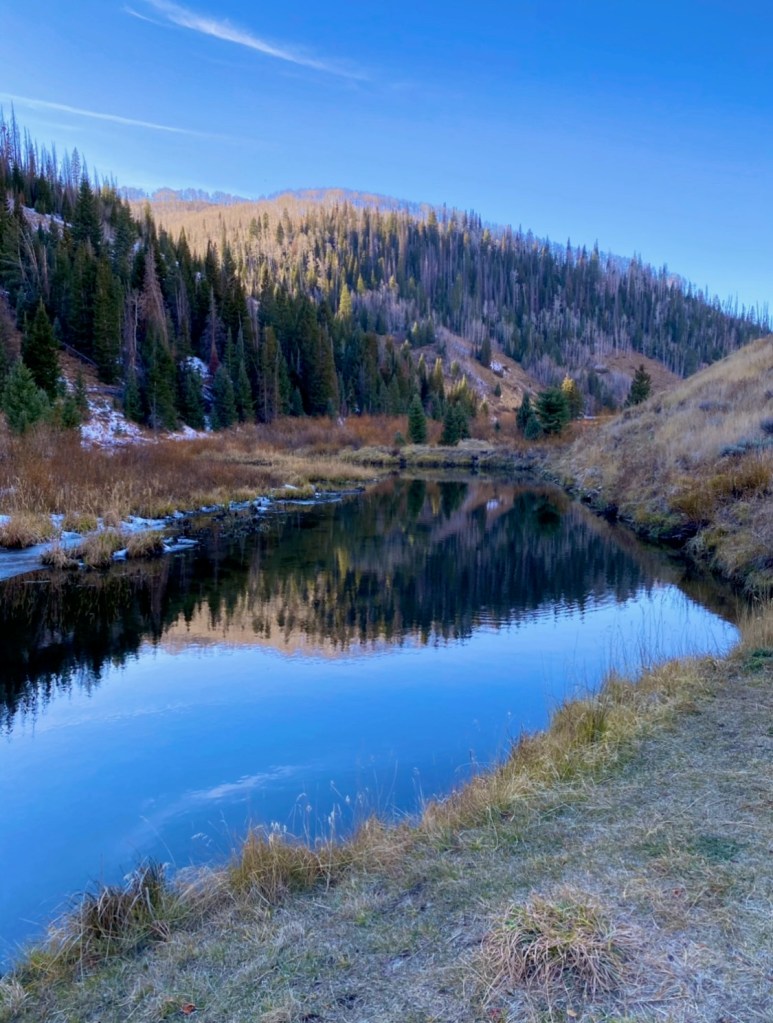
Beaver Pond in late Autumn

This canyon is mainly known for its fishing, camping, and ATV trails. Its real gem is the access to Skyline Drive, a dirt, high clearance 4WD or ATV road that sits at 10,000 ft and affords 360 views for 80 miles! That’s a lot of fall colors. The best hike recommendation is the Gordon Falls trail (2.5 miles RT).

Maples on the canyon trail

La Sal Mountains

Eight miles south of Moab, take a left at the La Sal mountains scenic byway loop sign. You’ll travel a narrow, winding road for 60 miles (no RVs or trailers). Enjoy the yellow quaking aspens and the orange and reds of Gambel Oak. Take in the views on trails such as Squaw Springs trail (8.6 miles RT), Hazard County (6 miles RT), or the Warner to Oowah Lake (4 miles RT). As you descend the mountain, stop at the desert overlook to take in the views of Canyonlands NP and Moab.

Highway 12 on Boulder Mountain

All American Road: Highway 12

Known as an all-American road and touted by many as the most scenic drive, fall colors are not the first thing that comes to mind when thinking about this drive. You can take in stellar shows of aspens driving over Boulder mountain and the showy cottonwoods down in some of the lower elevations of the drive. Calf Creek Falls (6 miles RT) has brilliant golds, and Pine Creek Box Canyon near Escalante is a riparian oasis with reds, oranges, and yellows (9 miles through hike).

Pine Creek Box Canyon

Highway 14 From Cedar City to Long Valley

Drive this 41 miles of gold and yellow aspens contrasting with verdant green spruces and pines. Make sure to stop and have a picnic with views at Navajo lake, Strawberry Point (which actually overlooks a red rocks amphitheater), or take a detour to Cedar Breaks National Monument. All afford incredible views and the changing colors of the high alpine forest.

Yellow and Gold aspens off the highway

So which scenic drives have you done, and which ones would you like to try? Let me know in the comments.

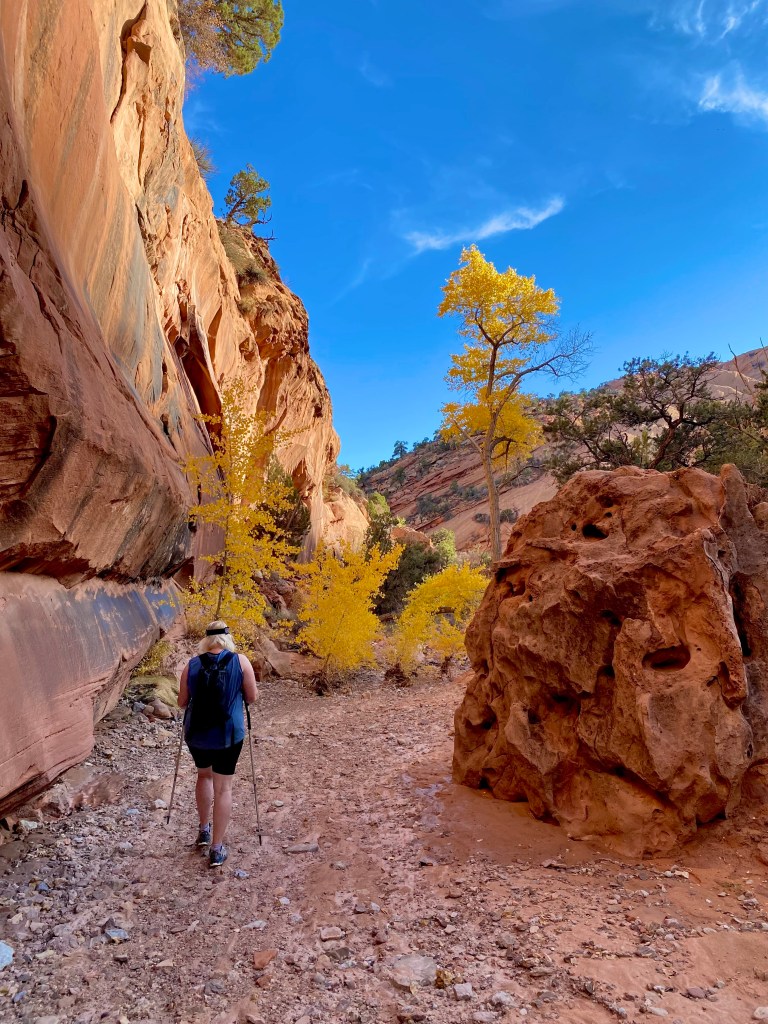
Yellow Cottonwoods in Capitol Reef National Park

Looking for more fall adventures? Check out my post about Capitol Reef National Park.

Ultimate Insider’s Guide to Capitol Reef National Park

Views from the Frying Pan trail

This is your go-to guide for visiting Capitol Reef National Park. As a Utah local, I have been visiting Capitol Reef multiple times a year for over 15 years. It is my favorite Utah park. You can find slot canyons, arches, petroglyphs, towering sandstone spires and monoliths, epic views, and so much more. To this day, I am still discovering new places in the park and revisiting favorites without the insane crowds of the more renowned parks like Zion and Arches.

This park deserves so much more than the quick drive-through some tourists give it. In this post, you will find all you need to know to have an incredible first-time visit or discover new places if you are returning because you fell in love just like I did.

*****As of April 29, 2024, the scenic drive will be closed for construction, including road widening, improving trailheads with additional parking and accessibility, and for flood mitigation. It is predicted that construction will be completed in late fall. Cassidy Arch can be accessed through the Grand Wash via HWY 24. The Golden Throne, Pleasant Creek, and Capitol Gorge Hike trailheads will be inaccessible.

Post Highlights

  1. Park overview
  2. Sample 3-day itinerary for a first-time visit
  3. Where to eat and stay
  4. Useful links and Practical Information
The Golden Throne viewed from Capitol Gorge Trail

Overview

Located in south-central Utah just outside Torrey, Capitol Reef National Park enjoys relative peace and quiet compared to the other Utah National Parks. Capitol Reef has something to do with every type of visitor.  Whether you enjoy scenic drives, photography, canyoneering, and everything from short walks to multi-day backpacking trips, you will conclude your visit with happy, tired smiles and pondering when you can return. 

Tip: The fee to visit Capitol Reef is $20 or free with your America the Beautiful Pass.

The park is divided into three regions:

The Historic Fruita district is the main area of the park. It has heirloom fruit and nut tree orchards, which have u-pick fruit and nuts in summer through fall and beautiful blossoms in spring. The Gifford House, located near the Fruita Campground (reservations required), sells homemade ice cream, pies, and local artisan goods with pioneer roots. Enjoy hiking among the white and red sandstone canyon walls, domes, and arches along the many trails. After enjoying the orchards and hiking trails, drive down the scenic drive for more hiking and adventures through the narrows of Grand Wash and Capitol Gorge.

A visit to Cathedral Valley will treat you to towering spires and castle-like monoliths rising starkly out of the desert. This sixty-mile loop is a photographer’s paradise. Enjoy the scenic backway route through the rock formations such as the Temples of the Sun and Moon, Factory Butte, and the Bentonite Hills with their rainbow colors. High clearance is required to visit this remote region of the park, and 4 x 4 is highly advised (No ATVs permitted). Visiting this area of the park requires a river-ford and, in some places driving through deep sand. It is very remote, and there is little to no cell service, so always check with a ranger for current conditions.

Directions: Ford the Fremont River at Highway 24 and Hartnet Road, then follow it until the Caineville Wash Road, where you will circle back to Highway 24. Plan on 4 hours of drive time (more if you want to hike, take in the overlooks, and have time for photography). Backcountry camping at the Cathedral Valley Campground has 6 first-come, first-served sites.

The Waterpocket district is home to slot canyons, arches, and the stunning Strike Valley Overlook. In addition to hiking, one can drive the breathtaking “Loop the Fold” tour to take in the area’s geology, scenic vistas, and history. To Loop the Fold, pick up the information brochure at the Visitor’s Center listing mile markers so you don’t miss any of the sights. The tour is 124 miles and takes 4-6 hours, but I suggest taking a day so you can hike and enjoy the area. Part of the route is gravel or dirt roads; any passenger car can drive it if dry. Begin the loop clockwise so you can enjoy cooler hiking temperatures in the morning and enjoy the sunset from the overlooks on Boulder Mountain. Always check with the ranger for current conditions before venturing out. This route has five slot canyons, including the short and kid-friendly Surprise and Headquarters canyons.

There is primitive camping available at the Cedar Mesa Campground with 5 first come-first served spots that include a fire grate and picnic tables but no water, so make sure to bring your own.

Sample 3-Day Itinerary

Day 1 – Fruita District

9:00 Arrive at Capitol Reef Visitors Center

9:30 Hike Hickman Bridge or Cohab Canyon

11:00 Petroglyphs, Picnic, and Pie (oh my!)

12:30 Scenic Drive and Hike Cassidy Arch or Grand Wash

3:00 Complete the Scenic Drive and stroll Capitol Gorge

5:00 Sunset Point and Goosenecks Overlook

7:00 Dinner in Torrey

Details:

9:00 Arrive at the Visitor’s Center. Enjoy the exhibits and get more information and brochures at the Visitor’s Center. Make sure to pick up a Cathedral Wash and a Loop the Fold Brochure for Days 2 and 3.

Hickman Bridge

9:30 Hike Hickman Bridge (1.7 miles RT- roundtrip, with 416 ft gain). More avid hikers can continue on the Rim Overlook for 4.7 miles or Cohab Canyon (3.2 miles RT with 794 ft. gain). If you are visiting Capitol Reef as part of a Utah National Parks tour, I recommend Cohab Canyon over Hickman Bridge because you’ll be seeing lots of Arches at Arches National Park, and Cohab Canyon has some stellar overlooks over the park, hoodoos, and short side slot canyons.

Cohab Canyon

11:00 Head back towards the visitor’s center and stop to check out the Petroglyphs. They are excellent examples of Fremont culture rock art. You can easily see them but bring binoculars if you have them for a closer encounter.

Fremont Petroglyphs

11:30 Picnic Lunch at the Gifford Homestead. You can enjoy your lunch surrounded by picturesque orchards, barn, and other historic buildings. Keep your eye out for the deer and wild turkeys that frequent the orchards. After lunch, pop into the Gifford house for some handmade ice cream or pies. If time allows and in season, the park allows a u-pick harvest of the fruits and nuts (Bring your own food as there are no eateries in the park, and no one wants to waste time heading back into town for lunch).

View of Orchards from Cohab Canyon

12:30 Head down the scenic drive (self-pay $20 or America the Beautiful Pass) to Grand Wash. This drive is stunning as you go through the narrow canyon with the sheer sandstone cliffs rising high above you on both sides (Never drive the road in a storm because of the risk of flash flooding). Hike to Cassidy Arch (3.3 miles RT with 666 ft gain). This hike is worth it, even with the steep climb up the switchbacks. The view from the top of the canyon walls is stunning, and nothing beats standing on top of the arch for a photo. If you have reluctant hikers in your group, hike the mellow Grand wash to the narrows. I also recommend hiking into the narrows after Cassidy Arch if you have the time and inclination. During the construction you can access Cassidy Arch via the Grand Wash off HWY 24. If you prefer a shorter hike I highly recommend Cohab Canyon.

Cassidy Arch

3:00 If you have time, you can continue down the scenic drive to Capitol Gorge. If you opted to skip the afternoon hike, make time to finish the drive. Once at the Gorge, you can go hiking to some pioneer names carved in the sandstone and minor petroglyphs. This is a flat trail between tall canyon walls (1.5 miles RT minimal elevation change). During the construction, try the Sulphur Creek Waterfall Hike.

Views of the Golden Throne from Capitol Gorge Road

5:00 Sunset Point and Goosenecks Overlook. As the names indicate, you want to catch this area with the golden hour glow and sunset. Make sure to arrive about an hour before sunset, as much of the area falls into shadow right before the sun actually sets, and you’ll miss the glowing red rock. So, if you’re visiting in the summer, have dinner in Torrey first, then head back to enjoy the sunset.

Sunset Point
Goosenecks Overlook

7:00 Dinner in Torrey. My personal favorite in town is Hunt and Gather, with a seasonal menu with locally sourced ingredients. Capitol Burger has amazing and inventive burgers. Rim Rock has stunning views of the park, with lots of large picture windows.

Day 2 – Cathedral Valley

8:00 Breakfast at Wild Rabbit Cafe. Serving amazing breakfast with incredible options toasts, scrambles, and breakfast burritos. They have a fully stocked pastry case if you have a sweet tooth. Make sure to grab a sandwich for your day on the road.

9:00 Leave Torrey for a day touring Cathedral Valley

Touring Cathedral Valley CAN be done in 4+ hours, but I recommend planning for a whole day in the area to ensure you have plenty of time to hike, take pictures, and explore the area. Cell service is almost non-existent in this area, so make sure you have plenty of gas, food, water, and emergency supplies. Also noteworthy, part of this route goes through BLM land, where ATVs are permitted. HOWEVER, no ATVs are permitted in any part of the National Park itself.

9:30 Begin your tour of Cathedral Valley

I won’t provide time stamps beyond this point, so you can spend time at the different points of interest at your own pace.

Ford the Fremont River at Hartnet Road, located at mile marker 91 off Highway 24. Always check with the park ranger for current water levels and road conditions. You can do this in person at the visitors center or by calling 435-425-3791. This is for your safety and to protect your pocketbook. No one wants to pay hundreds of dollars for a tow if you get stuck, or worse, be forced to spend a night or two in the wilderness if you weren’t planning on it.

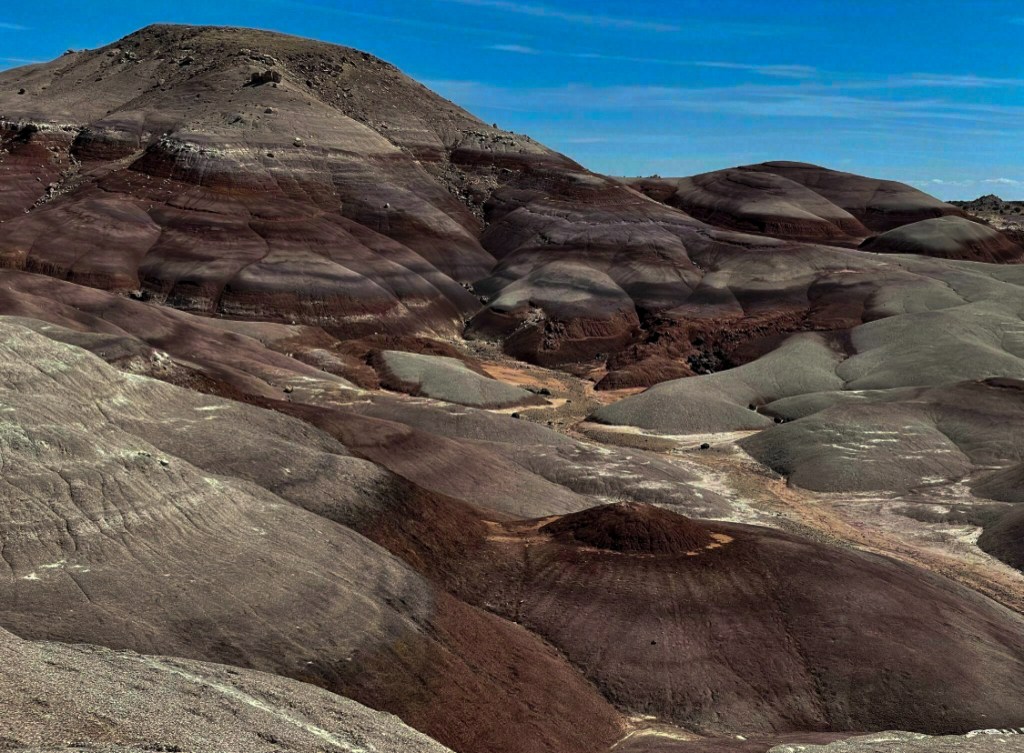
Bentonite Hills

Bentonite Hills– These colorful banded hills are something out of an alien landscape. If wet, they are impassable in any vehicle.

Lower South Desert Overlook – Enjoy views of Thousand Lake Mountain, Jailhouse, and Temple Rocks after a 1/4-mile walk.

Upper South Desert Overlook – Another short hike/walk to the cliff edge for unobstructed valley views.

Cathedral Valley Campground. This is the halfway point of your tour. This is the only toilet (pit) available on the tour. The is no water at the campground.

Upper Cathedral Valley Overlook

Upper Cathedral Valley Overlook – Enjoy the monoliths and sandstone cliffs contrasting with the verdant P and J (piñon and juniper).

Gypsum Sinkhole – This massive wonder is 50 feet wide and 200 feet deep! Stay away from the edges.

Temple of the Sun

Temples of the Sun and Moon – These monoliths are the quintessential monoliths of the tour. Many chose to camp in this area (the area adjacent is BLM land) to catch the sunset and sunrise on these beauties.

Glass Mountain – This landmark is made of selenite gypsum crystals

At this point, continue for 17 more miles to return to Highway 24.

Pro Tip: Make sure to stop and collect, or at least check out the Devil’s Toenails are your way back into town before dinner. What are the Devil’s Toenails? These are fossilized oysters from the Triassic and Jurassic period. To find these, turn left on the OLD Notom Road (Not to be confused with the Notom-Bullfrog Road) and go .2 miles. Pull over, and they are everywhere on the right side of the road. You may collect these as they are outside the park’s boundaries.

Day 3 – Loop the Fold

8:00 Before you start your tour hit the drive-thru at Dark Sky Coffee for your favorite morning beverage and eats. Enjoy in your car or at the picnic tables. Start your tour from the Visitor Center. The center opens at 8:00 am, so you can pick up a brochure if you haven’t already. The tour takes 4-6 hours but you want to plan extra time for hiking or side trips. Start the tour clockwise so you can enjoy hiking in the cooler hours of the day and enjoy the golden hour/sunset light from the overlooks on Boulder Mountain. As with Cathedral Valley, I will not include drive times so you can select to spend more time in the areas that most interest you. The brochure will include additional sites that I don’t include here. It is a great resource for the history, flora, and fauna and excludes the hikes which I will include. Make sure to pack a picnic lunch to enjoy out on the trail or at the overlook at the top of the Burr Trail switchbacks about halfway.

From the visitors center on Hwy 24, at 9 miles, turn right (south) onto the Notom-Bullfrog road.

Navajo and Page Sandstone of the Golden Throne and other formations

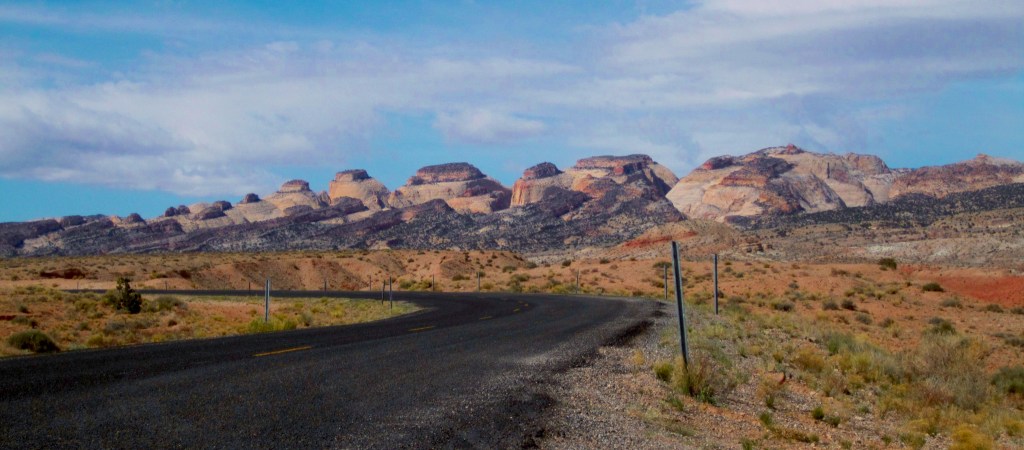
As you come up over the rise, you will see one of my favorite views of the park. These rounded formations just fascinate me. You’re actually looking at the back of part of the scenic drive from day one.

At approximately 16.5 miles, you’ll approach the first of three of the park’s more accessible but challenging slot canyons, Burrow Wash. If you are an avid hiker, definitely choose one of these to be on today’s itinerary! It will be a highlight of the trip. If you’re new to slot canyons or not interested in a longer hike, there are other slot canyons to explore further down the road that will be fun to explore without taking hours to visit.

Pro Tip: All three of these slot canyons have around a mile of hiking in a wash before reaching the canyons, but well worth the effort. As with all slot canyons, never enter if there is a chance of storms, even in the distance, as there is a chance of flash floods. Always consult the weather report and the rangers for current conditions. I also advise checking on AllTrails in the comments for current trail conditions. Conditions in a slot canyon can change after each storm creating new obstacles to maneuver around and even deep pools that may require swimming in cold water.

At 16.7 miles is Burrow Wash (7.7 miles RT with 565 ft elevation gain).

Burro Wash

At 18.1 miles is Cottonwood Wash (6.5 miles RT with 529 ft gain).

Cottonwood Wash in February

At 21.5 miles you arrive at the Sheets Gulch trailhead. This is the longest of the three slots, but I feel the most family-friendly of the strenuous slots. Go as far as you desire (13.8 miles RT with 757 feet elevation gain).

Sheets Gulch

At 25 miles the road turns to dirt.

At 31 miles you arrive at the turn-off for the Cedar Mesa Campground and Red Canyon hike. This primitive campground has 5 first-come, first-served campsites. The Red Canyon trail is an easy trail that is 4.5 miles long with 440 feet of elevation gain that ends in a beautiful box canyon. Although this hike is beautiful, I would choose one of the 5 slot canyons in this region of the park if you only have time for one hike.

From here, enjoy the scenic drive with excellent vistas of Entrada Sandstone, another Oyster shell reef like yesterday (no collecting this time because you’re in the National Park), and the Striped Morrison Formation of pink and gray banded clay hillsides until your reach the Burr Trail road junction at 41.5 miles. If you have already hiked a slot for today, turn right to head up Burr Trail Road. If not, continue straight for some kid-friendly slots.

1 mile (from road junction) is the trailhead for Surprise Canyon (2.2 miles RT with 400 feet gain).

Headquarters Canyon is 2.4 miles from the junction (2.5 miles RT with 410 feet gain. This is the better of the two canyons, so if you have to choose, do this one).

You can continue further down this road all the way to Lake Powell, but it requires high clearance 4WD and is not included in today’s tour. Return to the road junction, turn left to head up the Burr Trail road switchbacks where you climb over 800 feet in 1/2 miles! It’s a fun ride. Make sure to stop at the top of the road. There is a picnic area to get that epic picture! Enjoy lunch if you haven’t already.

View of Peekaboo Arch from the Upper Muley Twist Spur Road

At 45 miles, you can turn right on the spur road towards Upper Muley Twist Canyon and the Strike Valley Overlook. If you have a 4WD drive vehicle, you can drive the three miles through the canyon to the Strike Valley Overlook and Upper Muley Twist Canyon Trailhead. I would also advise high clearance as we almost took the bumper off our Hyundai Sante Fe on our last excursion down this road.

Views of the Waterpocket Fold, Henry Mountains, Tarantula, and Swap Mesas from the Strike Valley Overlook

If you haven’t done a hike yet, do the Upper Muley Twist (10 miles with 1,355 feet gain) and Strike Valley Overlook (1 mile RT with 400 ft from the trailhead or 6.2 miles RT if you need to hike in from the Burr Trail road). The Strike Valley is just incredible, and you don’t want to miss it. As you come up the canyon, either by foot or car, watch out for the three arches. There are a few more arches along the Upper Muley Twist trail, and it eventually comes to a short slot section. Plan on about an hour plus RT for this side trip.

Saddle Arch in Upper Muley Twist Canyon

Back on the main, paved road, at 61 miles, you will come to a viewpoint of Long Canyon. At this point, you are actually in Grand-Staircase Escalante National Monument. Take in the views of the Circle Cliff and the Henry Mountains in the distance. Just when you think the tour couldn’t deliver any more wow factor, you enter the towering, red cliff walls of Long Canyon with huge arch alcoves and of course, the iconic Singing Canyon at 66 miles. Make sure to pull over and do the short walk into this baby slot. Make sure to sing your favorite tune. You won’t be disappointed! As the road climbs out of the canyon, be sure to pull over once again to take in the views looking back into the canyon. Stunning!

Taking in the towering Walls of Singing Canyon

Shortly after the road turns back to pavement, you reach Boulder Town at mile 78. This remote hamlet was one of the last places to have its mail delivered by horse. Enjoy the views of the bird sanctuary by the Boulder Mountain Lodge and Boulder’s bucolic fields and barns.

At the intersection of Highway 12 and the Burr Trail road, you will turn right to head back to Torrey. This intersection has a lovely little coffee/gift shop, the Burr Trail Outpost. This is not your typical tourist trap. You’ll find treasures and artwork from local artisans and artists. The Burr Trail Grill has excellent burgers, trout, and pies. This is NOT your typical greasy spoon. If time allows, so you won’t miss golden hour on Boulder Mountain, stop for dinner at Hell’s Backbone Grill (named for the local dirt road Hell’s Backbone) for AMAZING food. This restaurant has won numerous awards, including the James Beard award for Excellence. Enjoy farm-to-table cuisine in its beautiful and laid-back setting. We have been known to drive 45 minutes multiple times on the same trip to eat there. It is that good!

At 75 miles, you’ll see the Anasazi State Park Museum. It has excellent indoor and outdoor exhibits and bathrooms ($10 day-use fee or Utah State Parks Pass).

Continue east on Highway 12 over Boulder Mountain. Take in the overlooks at Homestead Overlook at 91 miles and Larb Hollow at 100 miles. Larb Hollow is our favorite. The views stretch forever over Capitol Reef National Park, Brown’s Reservoir, the Henry Mountains, and the San Rafael Swell. Golden hour has the best light for photography as the desert topography of multicolor sandstone glows in the evening light.

Views from Larb Hollow Overlook

After you’ve had your fill, continue down the mountain, heading east towards Torrey. If you haven’t had dinner, enjoy a meal at one of the restaurants listed for day one, or try our Chak Balam for some excellent Mexican food in a dining room filled with handmade artisan masks from different regions of Mexico.

Where to Eat and Stay

I only recommend places that I have personally dined or stayed at more than once to ensure the quality of the establishment:

Pioneer Kitchen Country Southwestern cuisine in a laid-back environment located at the Capitol Reef Resort. Great vegetarian options. Open year-round.

Capitol Burger Fast food truck with outdoor seating. All the food is fresh and handmade with lots of gourmet burger options.

Rim Rock This restaurant serves western fare with incredible views of Capitol Reef. They also have the Rim Rock Patio for more casual fare, like pizza. Both open from March through October. Dinner only.

Hunt and Gather, Our personal favorite in town, it has a seasonal menu with locally sourced ingredients. Dinner only. Open March through mid-October.

Wild Rabbit Coffee and Cafe Breakfast and Sandwiches from 8-2 Thursday through Sunday. Don’t miss this gem for breakfast.

Chak Balam has excellent Mexican food in a dining room filled with handmade artisan masks from different regions of Mexico.

Many bed and breakfasts, Airbnb/Vrbos, lodges, and budget motels are found in the area. I listed my favorites below:

Skyview has 14 rooms with art installations that highlight the park’s iconic features. Enjoy red cliff views from your private hot tub after a day on the trails.

The Lodge at Red River Ranch has luxury accommodations with 15 unique rooms decorated with antiques and art. We’ve been staying here for over 15 years. It’s one of the best lodges in the West. If you’re fortunate to book a room, make sure to say hello to Dave and Charlene from me.

Capitol Reef Resort Many lodging options – rooms, suites, and cabins or choose the “glamp” in a teepee or Conestoga wagon.

Airbnb We’ve stayed in three different Airbnbs in the area and were happy with all of them. Many different budget options are available.

Useful Links and Practical Information

Capitol Reef is open 365 days a year/24 hours a day.

Visitor Center hours vary seasonally but is open daily except for some major holidays. Call 435-425-3791 for the most up-to-date information.

The Park is free to visitors, with the exception of the scenic drive, which is $20 (self-pay) or the America the Beautiful pass.

The Gifford House Store and Museum is open from March 14 (Pi Day) to October 31 daily from 8:00 a.m. to 4:30 p.m., with extended hours in the summer.

The best seasons to visit the park are spring and fall for ideal temperatures and dryer conditions. Winter is cold and sometimes snowy. A great time to visit for solitude, but some amenities in town are closed for the season. Summer is hot and is prone to flash flooding.

Are you inspired to travel to Capitol Reef National Park? You have everything you need to know for an incredible visit. What are you the most excited to see or do? I’d love to hear about it in the comments. As always, please reach out with any questions. I would love to help you plan your adventure.

Looking for water adventures? Try the Ultimate Orcas Island Adventure Itinerary.

The Ultimate Orcas Island Adventure Itinerary

Overlook from the Mount Constitution trail.

In this Itinerary, you will find all you need for the ultimate travel adventure in the San Juan Islands. I will cover our 5-day Itinerary, but you can easily customize it to fit your time constraints and adventure level.

Highlights:

Day 1: AM: Ferry to Orcas Island, Eastsound village shops, and farmer’s market

PM: Hike to Twin lakes and kayak on Mountain Lake

Day 2: AM: Whale Watching Tour

PM: Hike Turtleback Mountain and visit Orcas Island Pottery.

Day 3: AM: Kayak tour of Sucia Island State Park

PM: Hike Cascade Falls trail and Obstruction Pass State Park

Day 4: Ferry to San Juan Island and explore beaches, farms, and lighthouses by Ebike

Day 5: AM: Explore Cascade Lake and lagoon by kayak

PM: Summit Mount Constitution, Sunset and Full Moon Kayak tour of Salish Sea

Now for the details:

Day 1: Ferry to Orcas, Eastsound, and Moran State Park

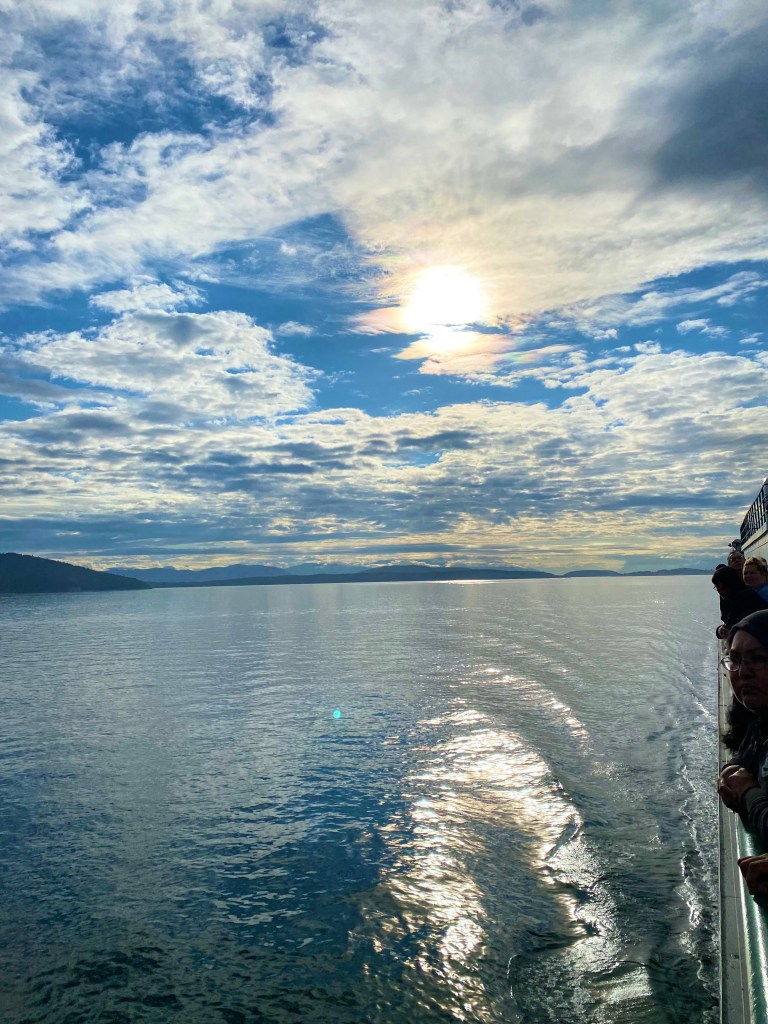
Enjoying the ferry ride from Anacortes to Orcas Island is an adventure in and of itself. We chose to take one of the first ferry rides of the day so we could maximize our time on the Island. This had the added benefit of the beautiful early morning light over the Puget Sound. Get your camera out and head out to the decks for optimal picture-taking opportunities. You may even see harbor seals, eagles, or Mount Baker!

Make sure to check the ferry schedule and make a reservation well in advance so you can guarantee your spot if you are bringing a car. We opted to rent a car and bring it with us. You can also walk on the ferry and then rent a car on the island.

Ferry Ride to Orcas Island
Early morning light over the Puget Sound and Cascades.

Once our Ferry arrived at Orcas Island, we headed over to Eastsound to explore the village with its quaint shops and restaurants and enjoyed the Saturday Framer’s Market. This little market is flush with farm-fresh produce, the most amazing flowers, and local goods.

Next, we headed over to what I consider the crown jewel of Orcas Island, Moran State Park. With almost 40 miles of hiking trails, 5 freshwater lakes, and 4 waterfalls, you could easily spend the entirety of your visit just at this state park. If you plan to spend more than one day visiting the park like we did, make sure to get Washington’s state parks pass called the Discovery Pass. It’s well worth every penny and is good for an entire year at any park in Washington state.

On this day, we hike around Mountain Lake to Twin Lakes. We traipsed through old-growth forest with moss, ferns, and foxglove wildflowers, then hiked up the easy grade to Twin Lakes to enjoy our lunch with a view of Mount Constitution and lily pads over the still waters.

Twin Lakes Moran State Park
Lunch Spot at Twin Lakes in Moran State Park

After we enjoyed our lunch, we headed back down to Mountain Lake and set up our pack rafts. These are lightweight inflatable kayaks that you can travel and backpack with. However, Orcas Adventures at the Mountain Lake campground and Cascade lake rents canoes and kayaks. We spent the rest of the afternoon exploring the coves and islands on the lake.

Kayaking on Mountain Lake
Cove on Mountain Lake

Day 2: Whale Watching Tour, Hike Turtleback Mountain and Visit Orcas Island Pottery

Day two was probably my favorite day of the whole trip. Observing Orcas in the wild has been a bucket list item for as long as I could remember, and the Orcas sightings around the San Jauns are practically guaranteed. As a matter of fact, many companies do guarantee sightings, or you can book another trip for free. As luck would have it, we observed these magnificent creatures for an hour on our tour. You can watch a short video of our adventure here. There are many companies you can book for this adventure. We used Deer Harbor Charters.

Orca swimming by Obstruction Pass State Park

After we grabbed a late lunch back at our cabin, we headed out to hike Turtleback Mountain. Some argue that the views from Turtleback Mountain are the best in all the San Juan Island as you have the best views of the island archipelago. There are two options for Turtleback Mountain. The North trailhead to Orcas Knob is a 6 mile out and back with a 1,322 ft gain. The hike from the south trailhead is a 6.6-mile loop (1,640 ft. gain)or 2.7-mile loop (859 ft. gain) if you just want to hike to Ship’s Peak. I recommend Ship’s Peak or Orcas Knob for the best views.

View from Ship’s Peak on Turtleback Mountain

After we enjoyed our hike to stretch our sea legs, we head over to Orcas Island Pottery. This pottery studio is located on West Beach, just outside the village of Eastsound. To get to the studio, just follow the signs. Even the drive there is like entering a fairyland as you drive through old-growth cedars and Douglas firs. They sell pottery from 7 local artists in their beautiful gardens surrounded by the forest and overlooking the Salish Sea. It was enchanting. Learn more here.

Day 3: Kayak Tour of Sucia Island State Park, Cascade Falls and Obstruction Pass State Park

Today we took a Sea kayaking tour with Outer Islands Excursions to explore the waters and shores around Sucia Island. We met our guide on the dock and took a boat ride over to the island where we hopped into our sea kayaks to paddle around this beautiful place. We saw harbor seals (and their pups!), sea otters, eagles and explored remote beaches. I was pleasantly surprised that the paddling felt just like being on a lake. The water was that calm. While I know that they aren’t always as glassy as they were on this day, the waters of the Salish Sea are typically calm and easy to paddle. Although the outfitters we used did a great job, I feel like if I were to do this again, I would just rent the kayaks and do the self-guided tour. This would give us the freedom to take the time at the places we wanted to and even go a little faster than the group did so we could see explore more places around the island.

We returned to Orcas Island at three which left us enough time to boogie back over to Moran State Park to hike the Cascade Falls trail. Cascade Falls is the largest waterfall in all the San Juan Islands at 40 feet tall. This short hike is only 1.5 miles with minimal elevation change where you can see four waterfalls (Cascade, Hidden, Rustic, and Cavern falls) in the ravine surrounded by ferns, moss, and old-growth forest.

Finally, we headed over to Obstruction Pass State Park to hike the Obstruction Pass trail. This 1.4-mile loop takes you through the highland forest with intermittent balds (meadow-type areas covered with moss) to a rock-strewn beach. Here is where you can observe more wildlife and enjoy a picnic by the lapping water. Ironically, this is where we saw the Orcas just offshore during our whale watching tour just the day before.

Day 4: San Juan Island by Ebike

Orcas Island is the largest of the San Juan Islands and we feel has the most to offer in terms of outdoor adventures but on this day we planned to walk on the inter-island ferry (free!) to explore the most populous of the archipelago, San Juan, with its popular town of Friday Harbor. The ferry between Orcas and San Juan Island runs about every four hours. Make sure you consult the schedule to ensure you have as much time as you want to maximize your visit to San Juan.

After we arrived at Friday Harbor, we explored the town and shops by foot before grabbing a picnic from Spring street Deli and popping in next door at Gilligan’s Island Style Ebikes. This was definitely the way to go considering the size of the island, the hills, and the wind. We still got a great workout but were able to cover more of the island and have the energy to do some short hikes as well.

There are many different routes you can take to explore the island and Gilligan’s has maps with directions that come with your bikes so you can be confident in your exploration. I recommend either an island loop out to Lime Kiln State Park with its beautiful lighthouse and whale watching from the cliffs or the route to South Beach and Cattle Point with the beach, lighthouse, and wildlife. On both routes, you can plan on passing scenic farms (many with farm stands selling local produce and flowers), coastal views, and potential wildlife sightings.

We opted for Cattle Point which has a better shoulder and less traffic for riding. We loved enjoying the coastal views of the Olympic mountains and the waves crashing on the shore at South Beach as we enjoyed our picnic. After our picnic, we continued on to Cattle Point where we took the short hike out to the lighthouse. We saw foxes in the meadow and coastal birds soaring above the shore. On our return trip, we added on the short loop to Pear Point with its forested country roads and Jackson’s Beach.

After a full day riding, we hopped on the five o’clock ferry and got back to Eastsound in time for a lovely dinner at Kingfish overlooking West Sound watching the sunset. A positively dreamy end to our day.

Day 5: Summit Mount Constitution, Explore Cascade Lake and Lagoon by Kayak, Sunset and Full Moon Kayak Tour of Salish Sea

We had a final action packed day on the island. We began the morning by heading back to Moran State Park to kayak on Cascade Lake over to its freshwater lagoon. Cascade Lake has a small beach area, playground, picnic area, snack shop, and Orcas Adventures which has all you need to get out on the water for the day if you don’t have your own boat to paddle. Not only was Cascade lake a great place to paddle but there is a trail around the lake that many use to access the bridge between the lake and lagoon for bridge jumping. The lagoon’s still water made the perfect location for lily pads and all sorts of waterfowl to observe on the water.

After we had our fill of the lake we drove part way up Mount Constitution and began our hike at the Little Summit trailhead. This hike allows for views both at Little Summit and at the top of Mount Constitution. This hike is 5.9 miles round trip with almost 1,000 feet of elevation gain. It’s a gorgeous hike through an old-growth forest with occasional breaks in the trees for views. Mount Constitution has a tower on the summit. Don’t miss the views from this point with the interpretive signs to tell you everything on the horizon.

We ended the day with a sunset and full moon kayak tour out of Deer Harbor with Shearwater Kayak Tours. I can’t think of a more perfect way to end our time on the island watching the golden sunset over the glassy waters and the full moon rise. We got to see a ton of harbor seals and their pups on the shores of some of the tiny islands we paddled around, in addition to the sunset. Watch a short video here. This was the dreamiest, so if you are fortunate enough to time your visit with the full moon run, don’t walk, to make a reservation. I promise you won’t regret it.

Sunset over the Salish Sea

Are you ready to book your trip to Orcas Island? Hopefully, you have all you need to plan your perfect adventure. Feel free to reach out in the comments or by sending me a message. I’m always happy to help craft your perfect itinerary!